


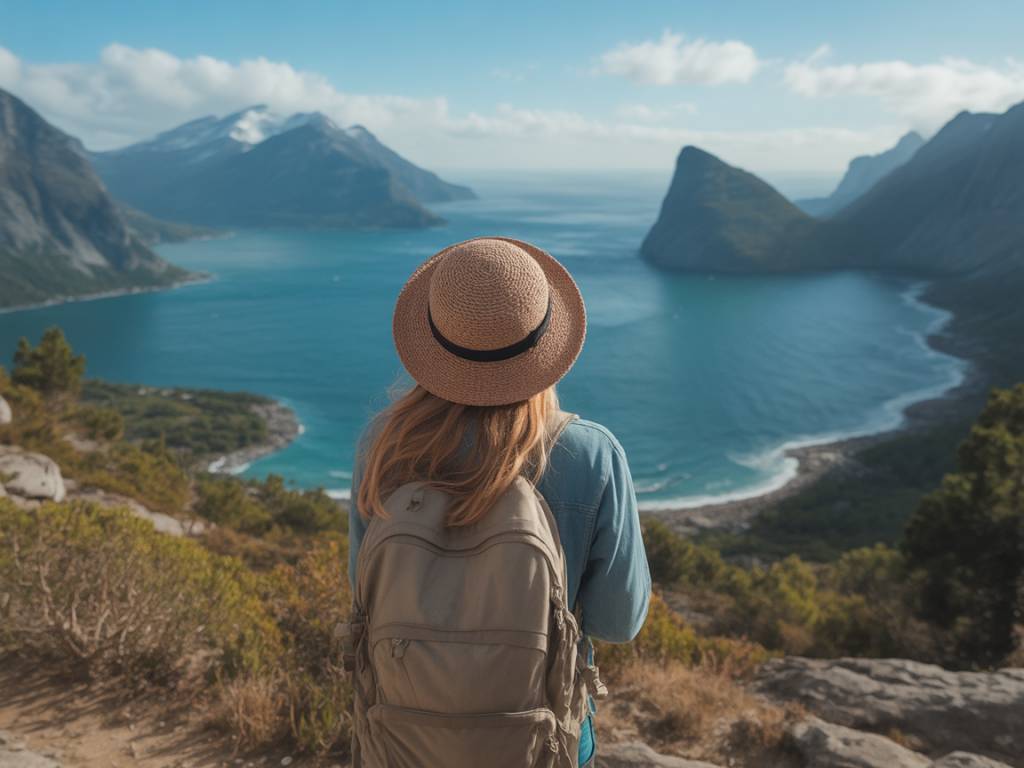
When travel stops being a checklist
For many young travelers, the first trips abroad are about ticking off landmarks, taking photos and collecting stories to share on social media. Volunteering abroad changes that dynamic. Instead of passing through a country, young volunteers stay, participate and take on responsibilities. They move from spectator to actor, and that shift tends to reshape the way they read the world, and their place in it.
Whether they are coaching sports in a township, supporting eco-projects in rural areas or helping with youth programs in urban neighborhoods, the experience often challenges assumptions that were previously invisible. It also introduces new routines, tools and skills that stay with them long after the plane ride home.
From stereotypes to lived realities
Before leaving, many young volunteers admit that their mental image of a destination is built from news reports, social media, films or school lessons. These sources are often partial, focused on crises or clichés. Volunteering abroad replaces that distant view with daily contact.
Living and working alongside local communities forces a more nuanced understanding. A country no longer appears as “poor” or “developing” in the abstract; it becomes a place with different forms of wealth, different social codes and a distinct pace of life. A young person who spends weeks helping in a community sports club, for instance, sees how local coaches innovate with minimal equipment, or how families reorganize their time around children’s practice schedules.
Over time, this kind of involvement tends to:
- Break down simplistic narratives about “helping” and “being helped”
- Highlight the expertise and resilience of local residents
- Reveal internal inequalities within the host country, rather than treating it as a monolith
- Introduce new models of success that do not always match Western norms
The encounter with everyday realities does not erase the problems that exist, but it makes them more complex, human and, often, less exotic.
Reframing privilege and responsibility
For many young volunteers, one of the most significant shifts is the way they view their own privileges. Access to education, healthcare, stable internet, sports facilities or safe public spaces suddenly appear less “normal” and more exceptional.
This awareness is not only about guilt. It can become a practical sense of responsibility: a motivation to use that position to support fairer systems, or at least to make more conscious choices. Volunteers frequently report changes in their behavior after returning home, such as:
- Re-evaluating consumption habits, from fast fashion to tech upgrades
- Becoming more attentive to the origins of products, from coffee to sportswear
- Supporting brands or initiatives that invest in communities and environmental protection
- Engaging more actively in local volunteering or civic organizations
The everyday details of a placement – carrying water, sharing equipment, improvising training sessions with limited gear – often stay in the body as much as in the memory. Back home, the abundance in a supermarket or a sports shop can feel slightly dissonant, and that sensation becomes the starting point for more reflective choices.
Sport as a universal language
In many volunteer programs, especially those aimed at youth development, sport plays a central role. Football, basketball, running, skateboarding or outdoor activities become vehicles for connection when language skills are limited. A simple training session can create a shared space that does not require perfect grammar.
Young volunteers quickly notice that while the rules of a game may be universal, the way it is practiced is deeply local. A dirt pitch, a ball repaired with tape, goals marked by stones or backpacks: these settings demand creativity and adaptability. Volunteers learn to:
- Design drills and exercises that work with minimal equipment
- Read group dynamics and energy levels beyond verbal communication
- Value effort, joy and participation over performance metrics
This experience tends to influence how they later approach sport in their own lives. Training plans become more flexible, the latest gear less essential, and the idea of who can “belong” in sport broadens. Many come back with a renewed desire to make local clubs, school teams or community gyms more inclusive, drawing inspiration from what they observed abroad.
Learning to live with discomfort and uncertainty
Volunteering abroad rarely follows the clean lines of a brochure. Schedules change, transportation fails, and projects do not always progress as planned. Young travelers sleep in shared dorms, adapt to new foods, negotiate different expectations around time and commitment. This everyday friction is not always glamorous, but it is formative.
By navigating these situations, volunteers build a kind of mental flexibility that standard tourism does not necessarily encourage. They learn to:
- Ask clear questions instead of assuming they understand
- Accept that they are guests, adapting to local norms rather than imposing their own
- Identify their own limits, from fatigue to cultural overload, and manage them responsibly
- Work productively despite imperfect conditions or incomplete information
This resilience often carries into other areas of life: studies, early career steps, and personal projects. Young people who have managed a crowded bus in a foreign language or improvised a lesson without electricity usually feel more capable when facing deadlines, exams, or workplace challenges.
Shifts in lifestyle and daily habits
Volunteering abroad also influences more concrete lifestyle choices. Time away from home routines, screens and consumption patterns can act as a reset. Many volunteers describe:
- Reduced attachment to material possessions, after living from one backpack
- Greater attention to sleep, food and hydration, especially in demanding climates
- Increased interest in outdoor activities and active transport, such as walking or cycling
- More deliberate use of social media, with less pressure to constantly document
On a practical level, this often changes how they equip themselves for future trips or for everyday life. Instead of maximizing quantity, they tend to prioritize versatile, durable items:
- Lightweight, long-lasting clothing suitable for multiple climates
- Reliable backpacks and daypacks with thoughtful organization
- Travel health kits and water filtration solutions for greater autonomy
- Compact sports gear, from resistance bands to travel yoga mats, to stay active anywhere
For readers planning a similar experience, investing in fewer, better-quality items can make day-to-day life on placement smoother, while also limiting waste.
Career perspectives and new aspirations
Beyond personal growth, volunteering abroad can influence academic and professional trajectories. Exposure to different education systems, NGOs, social enterprises or sports development projects often opens paths that young travelers had not previously considered.
Some return with a clear interest in areas such as:
- International development, public policy or humanitarian work
- Sport for development and peace, using physical activity as a tool for social change
- Environmental protection and sustainable tourism
- Education, youth work or community organizing
Even when volunteers do not radically change their study plans, the experience tends to sharpen their criteria for future employers. They ask more questions about a company’s social impact, environmental commitments and relationship with local communities. A placement abroad can thus act as an early filter, orienting career choices toward organizations whose values align with what they have witnessed on the ground.
Ethical questions and the need for preparation
The impact of volunteering abroad is not automatically positive, either for the volunteer or for the host community. Young travelers are increasingly aware of the risks of “voluntourism”: short stays that prioritize the visitor’s experience over local needs, projects that displace local jobs, or interactions that reduce communities to backdrops for self-promotion.
This awareness itself is part of the transformation. It pushes young people to adopt a more critical, informed approach. Before departure, many now:
- Research the organization’s long-term partnerships and accountability mechanisms
- Check whether projects are locally initiated and sustained beyond short-term placements
- Consider their own skills realistically and select roles where they can genuinely contribute
- Learn basic phrases in the local language and read about local history and politics
During the placement, the most reflective volunteers pay attention to who defines priorities, who speaks, and who benefits from the project. They ask for feedback, remain open to criticism and avoid framing themselves as “saviors”. This posture does not diminish their involvement; it makes it more respectful and more sustainable.
Bringing the experience back home
The ending of a placement does not mark the end of its influence. Young volunteers return with stories, habits and doubts that reconfigure their daily lives. They might join local initiatives that mirror what they experienced abroad, mentor others preparing to leave, or participate in online communities sharing resources on ethical travel and volunteering.
They also tend to change the way they travel for leisure. Destinations are chosen less for prestige and more for the quality of encounters or the possibility of supporting local operators. They may book smaller, locally owned accommodations, choose slow transport options when possible, or invest in gear that enables longer, more immersive stays rather than rapid consumption of multiple countries.
Over time, these choices contribute to a broader shift: travel seen not just as a personal escape, but as an opportunity to build reciprocal relationships and to better understand interconnected global issues. Volunteering abroad, when approached with care and humility, acts as a catalyst for this redefinition. It does not provide all the answers, but it changes the questions young travelers ask themselves about the world, and about the kind of life they want to build within it.