


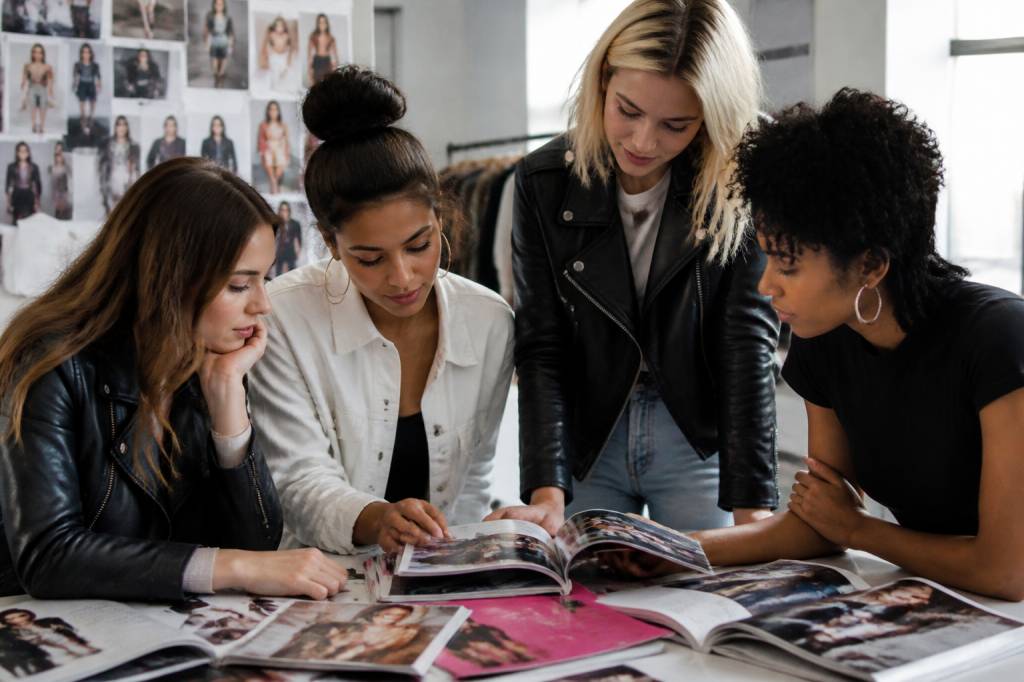
Fashion women’s magazines have never been just about clothes. They have been mood boards, rule-breakers, confidence coaches, and sometimes the loudest voices in a teenager’s room. From glossy print pages to TikTok-style digital feeds, these publications help young people decide what looks good, what feels authentic, and what kind of person they want to become.
That influence is easy to underestimate. A magazine may appear to offer a simple mix of outfits, beauty tips, celebrity interviews, and shopping pages. Look closer, though, and it is also shaping ideas about ambition, popularity, gender, body image, friendship, and independence. The question is not only, “What should I wear?” It is also, “Who am I allowed to be?”
More Than a Guide to the Latest Trends
Fashion magazines have long acted as cultural translators. They take runway designs, celebrity looks, street style, and emerging subcultures, then turn them into stories young readers can understand and use. A dramatic designer outfit may be impossible to afford, but a magazine can show how to borrow its color palette, silhouette, or attitude with clothes already hiding in a bedroom wardrobe.
This process makes fashion feel accessible. It also gives trends a language. Words such as “minimalist,” “edgy,” “romantic,” “sporty,” or “vintage” help readers describe the identity they are experimenting with. A teenager may not have a fully formed personal style, but she can recognize a feeling: confident, rebellious, relaxed, creative, or glamorous.
That is why a fashion feature can stay in someone’s mind long after the magazine has been recycled. The image becomes a reference point. The advice becomes a small act of self-discovery. And the outfit? It may end up being worn to a first concert, a school event, a job interview, or a coffee date where someone finally feels comfortable in their own skin.
From Print Pages to Personal Feeds
For decades, young readers waited for the next issue of their favorite magazine. The ritual mattered. They bought it at a newsstand, read it on the bus, shared it with friends, and pinned pages to bedroom walls. Fashion inspiration arrived on a schedule.
Today, the pace is much faster. Instagram, YouTube, TikTok, Pinterest, and online magazine platforms deliver new looks every minute. A trend can move from a celebrity’s wardrobe to a creator’s video, then to a shopping app, all before breakfast. Young people are no longer only consuming fashion media; they are also producing it.
This shift has changed the balance of power. Traditional magazines once decided which designers, models, and trends deserved attention. Now a teenager with a smartphone can launch a style movement from her bedroom. A thrifted outfit, a creative makeup look, or a clever styling hack can reach millions of viewers without passing through a magazine editor’s desk.
Yet magazines still matter. Their strongest digital platforms combine the speed of social media with the depth of journalism. They offer interviews, background stories, trend analysis, and cultural context. A fifteen-second video may show how to style a blazer. A thoughtful article can explain why oversized tailoring, gender-neutral fashion, or secondhand shopping has become meaningful to a generation.
Style as a Form of Identity
Clothing is one of the most visible ways young people communicate. Before saying a word, someone may already be expressing their music taste, cultural influences, mood, values, or community through a pair of sneakers and a carefully chosen jacket.
Women’s fashion magazines have helped make this process feel legitimate. They tell readers that personal style deserves attention. Dressing well is not necessarily about impressing other people. It can be about feeling prepared, protected, playful, or powerful.
For many young women, fashion becomes a safe space for testing different versions of themselves. One week might bring a soft, vintage-inspired look. The next might call for leather, bold eyeliner, and heavy boots. These experiments are not signs of confusion. They are part of growing up.
Identity is rarely fixed at sixteen, twenty, or even thirty. It changes with friendships, experiences, confidence, and circumstances. Fashion allows people to make those changes visible. A new haircut can mark a fresh start. A favorite shirt can become emotional armor. A carefully chosen outfit can say, “I belong here,” even when the wearer feels nervous inside.
Celebrity Influence and the Power of Recognition
Celebrity culture has always been a major part of women’s fashion media. Readers want to know what musicians, actors, athletes, and creators are wearing. The appeal is obvious: celebrities represent success, beauty, creativity, and access to worlds that may feel distant.
But the relationship has changed. Young audiences no longer admire celebrities only from a distance. They follow their daily routines, watch behind-the-scenes videos, and see unfiltered moments alongside professional photos. The line between celebrity and influencer has become increasingly blurred.
Fashion magazines help organize this crowded landscape. A strong profile can move beyond the outfit and explore the person behind it. What does a singer wear when she is not performing? How does an athlete use clothing to express confidence? Why does an actor choose sustainable designers? These questions make style part of a wider story.
When magazines feature diverse public figures, they also expand the definition of who gets to be stylish. A young reader may see someone with her hair texture, body shape, disability, cultural background, or personal story represented in a glossy spread. That moment of recognition can be more powerful than any shopping recommendation.
Representation Changes the Mirror
For years, fashion media was criticized for presenting a narrow image of beauty. Extremely thin bodies, limited skin tones, Eurocentric features, and heavily edited photographs dominated many covers and campaigns. Young readers absorbed those images while trying to understand their own changing bodies.
The industry has made progress, although the work is far from finished. More magazines now feature models and writers from a wider range of backgrounds. They discuss textured hair, adaptive clothing, body neutrality, cultural identity, and mental health. These subjects are not side notes. They are part of real life.
Representation matters because young people learn through visibility. When a magazine presents only one version of beauty, it quietly suggests that everyone else is an exception. When it shows many forms of beauty and style, it sends a different message: there is no single correct way to look or belong.
Good representation also avoids turning diversity into a marketing trick. Readers notice when a publication includes different faces on the cover but offers shallow stories inside. Authentic coverage involves hiring diverse journalists, listening to communities, and treating people as complete individuals rather than symbols.
Beauty Advice: Helpful, Harmful, or Both?
Beauty pages can be practical and fun. They teach readers how to care for their skin, style their hair, apply makeup, and choose products. They can also encourage creativity. Makeup is not a requirement; it is a tool. Some days it is a red lipstick. Other days it is sunscreen and absolutely nothing else.
The problem begins when advice sounds like a list of corrections. Young readers should not be told that their faces, bodies, or natural features are problems waiting for expensive solutions. A healthy beauty section should focus on options rather than pressure.
It should also be honest about advertising. When a product is promoted because it has paid for visibility, readers deserve clear information. Transparency helps young audiences become smarter consumers instead of simply chasing every new serum, palette, or miracle gadget.
The best beauty journalism asks useful questions. Is the product affordable? Is it suitable for sensitive skin? Are its claims supported by evidence? Does the brand treat workers and the environment responsibly? Looking good is one thing. Knowing what you are buying is another.
Fashion, Money, and the Reality of the Closet
Fashion media can inspire, but it can also create pressure to constantly buy. New trends arrive with a familiar message: your wardrobe is outdated, and happiness is one purchase away. Young people are increasingly questioning that idea.
Thrifting, clothing swaps, upcycling, rental services, and repeating outfits have become important parts of youth style. Wearing the same jacket in five different ways is not boring. It is efficient, creative, and probably kinder to your bank account.
Magazines have a role in making practical fashion feel exciting. A useful shopping guide should include a range of prices and explain when an investment piece is genuinely worth it. It can show how to repair a loose button, tailor an old pair of jeans, or transform a dress with accessories.
Young readers also want to know how clothes are made. Questions about fast fashion, workers’ rights, water use, waste, and synthetic materials are now part of the style conversation. Sustainability should not be presented as a luxury available only to people who can afford expensive ethical labels. Rewearing, repairing, borrowing, and buying less are realistic steps for almost everyone.
Breaking Old Rules About Femininity
Women’s magazines have sometimes repeated narrow ideas about femininity: look attractive, stay slim, be agreeable, and never appear too ambitious. Modern readers are pushing back against those instructions.
Today’s strongest fashion coverage treats femininity as flexible. A woman can love dresses and football. She can wear a suit, shave her head, collect handbags, avoid makeup, or enjoy all of it at once. Style does not have to fit a single box.
This matters particularly for young people who are exploring gender and sexuality. Clothing can help someone express a more complex identity before they have the words to explain it. Gender-fluid fashion, unisex collections, and conversations about personal presentation give readers more room to experiment without apology.
The message is simple but powerful: there are no fashion police waiting to issue a fine because your outfit does not match someone else’s expectations.
Building Confidence Without Selling Perfection
Fashion can boost confidence, but magazines must be careful about how they describe that confidence. It should not depend entirely on looking flawless. Real confidence is not a permanent state, and no outfit can eliminate every insecurity.
Useful articles focus on comfort, self-expression, and choice. They explain how clothing can help someone feel ready for a presentation, comfortable during travel, or relaxed at a social event. They also leave space for bad hair days, awkward outfits, and changing opinions.
Young readers deserve media that does not make them feel behind. There will always be another trend, another product, and another perfectly styled person online. The goal is not to keep up with everything. It is to decide what deserves your attention.
The Magazine as a Conversation Starter
A fashion magazine can begin conversations that reach far beyond the wardrobe. An interview with a designer may open a discussion about culture. A feature on vintage clothing may lead to questions about family history. A piece on body image may help friends speak honestly about pressure and self-esteem.
That conversational role is one of the reasons fashion media remains relevant. Young readers are not searching only for instructions. They want context, honesty, and stories that reflect the complicated world around them.
The most engaging magazines understand this. They connect fashion with music, sport, travel, politics, technology, and everyday life. A pair of sneakers can be about performance, identity, and community. A scarf can carry cultural meaning. A school uniform can reveal rules about belonging and rebellion.
Style is never just surface. It is a daily conversation between the individual and the world.
What the Future of Fashion Media Could Look Like
The future will probably be more interactive, personal, and community-driven. Readers may use digital tools to test outfits, discover local designers, or learn how to repair clothes. Artificial intelligence and virtual styling may become part of the experience, although human judgment and cultural sensitivity will remain essential.
Young audiences will continue to demand honesty. They will expect clearer advertising, broader representation, realistic photography, and meaningful action on sustainability. They will also challenge magazines when their coverage feels out of touch.
That pressure is healthy. Fashion journalism should evolve with its readers rather than lecture them from a distance. It should celebrate creativity without encouraging waste, offer beauty advice without creating shame, and report on trends without pretending every trend deserves a place in every closet.
Women’s fashion magazines have shaped youth culture because they have always been about more than what is hanging on a rail. At their best, they help young people explore identity, question expectations, and find confidence in their own choices. The perfect outfit may change tomorrow. The freedom to define yourself should not.