
For a growing number of young travelers, a gap year no longer means simply backpacking across Europe or working in a café abroad. Instead, “adventure gap years” are emerging as a hybrid of physical challenge, cultural immersion, and personal development. These experiences are reshaping how young people see themselves and their place in the world, nudging them from being tourists toward becoming informed, engaged global citizens.
From Passive Tourist to Active Participant
Traditional travel often positions young people as observers. They move quickly from attraction to attraction, ticking off famous landmarks and collecting photos. Adventure gap years, by contrast, invite them to participate. These programs combine outdoor expeditions, skills training, and community engagement in ways that require commitment, resilience, and reflection.
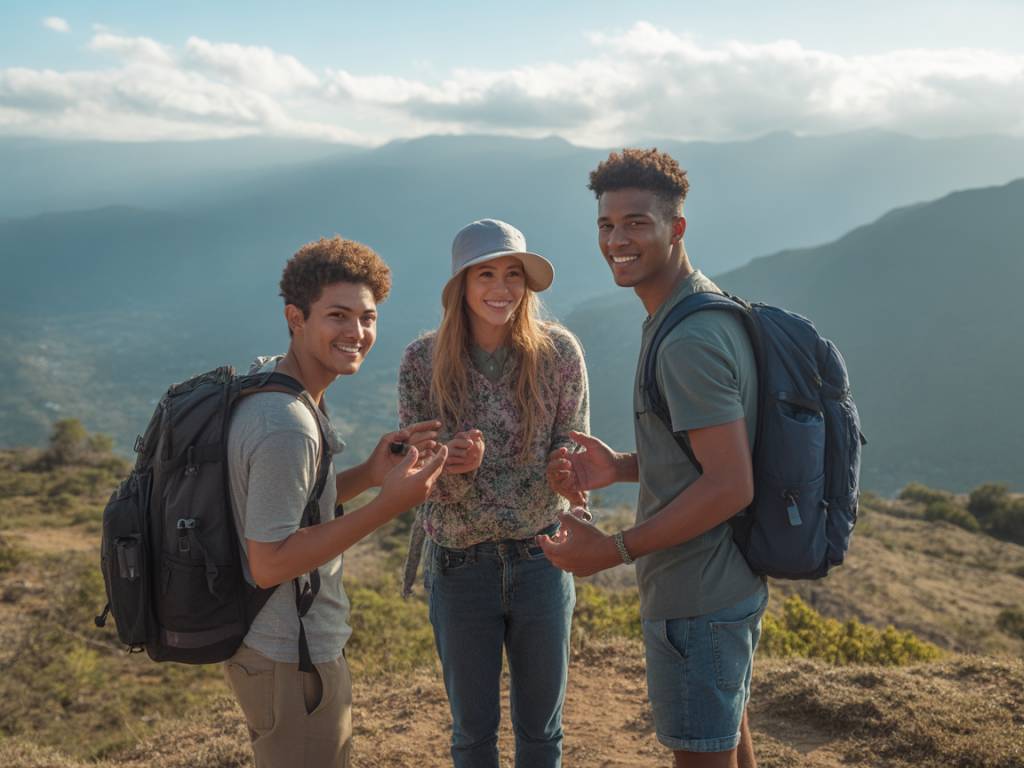
A typical adventure gap year might involve trekking in the Andes, volunteering with marine conservation teams in Southeast Asia, or cycling across a European country while staying with host families. Instead of traveling purely for leisure, participants are asked to learn from the places and people they encounter—and to contribute in practical ways, whether by helping with trail maintenance, assisting local guides, or supporting educational projects.
What Exactly Is an Adventure Gap Year?
Adventure gap years sit at the intersection of sport, travel, and experiential education. While each program looks different, they usually share several core elements:
- Physical challenge: Hiking, climbing, kayaking, long-distance cycling, ski touring, or multi-day camping trips are common features. The activities are intentionally demanding, designed to push participants beyond their comfort zones in a controlled way.
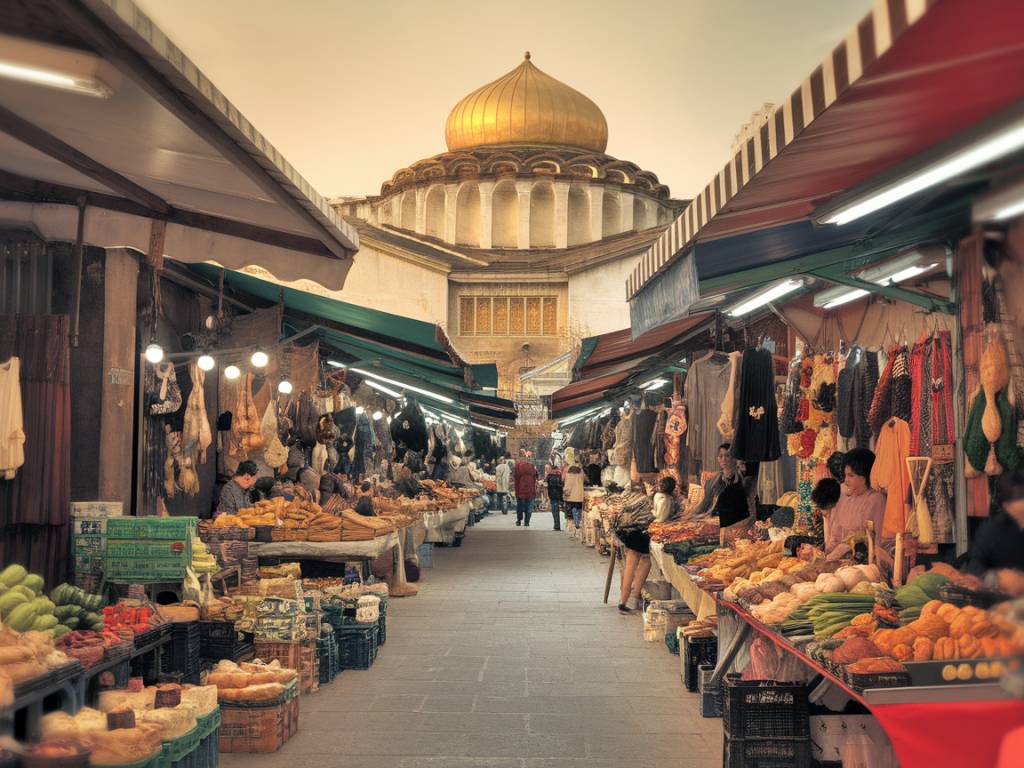
- Cultural immersion: Instead of staying solely in hotels or hostels, young travelers may live with host families, work alongside local guides, or spend extended time in rural communities.
- Service or skills-based learning: Programs often weave in environmental projects, language learning, or vocational skills like outdoor leadership, first aid, or sustainable agriculture.
- Reflection and mentorship: Structured debriefs, journaling, and mentorship from trip leaders help participants connect their daily experiences to broader questions about identity, responsibility, and global challenges.
This combination of elements radically shifts the focus of the gap year. The emphasis is no longer on seeing as much as possible, but on engaging deeply with fewer places—physically, intellectually, and emotionally.
Building Resilience Through Physical Challenge
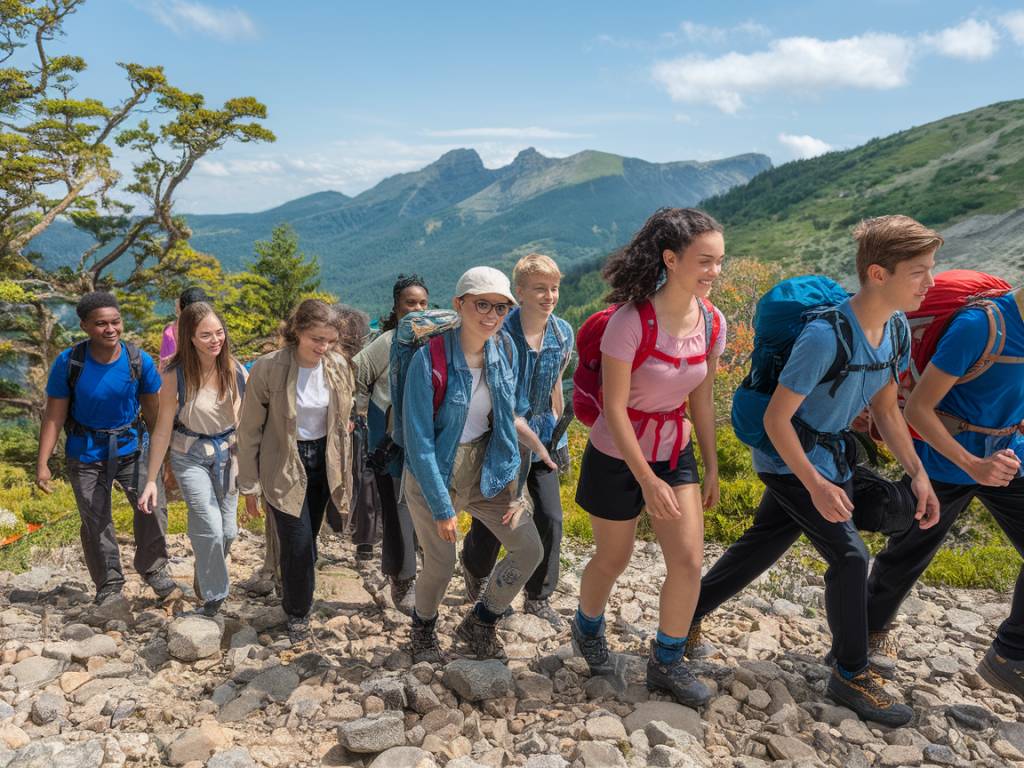
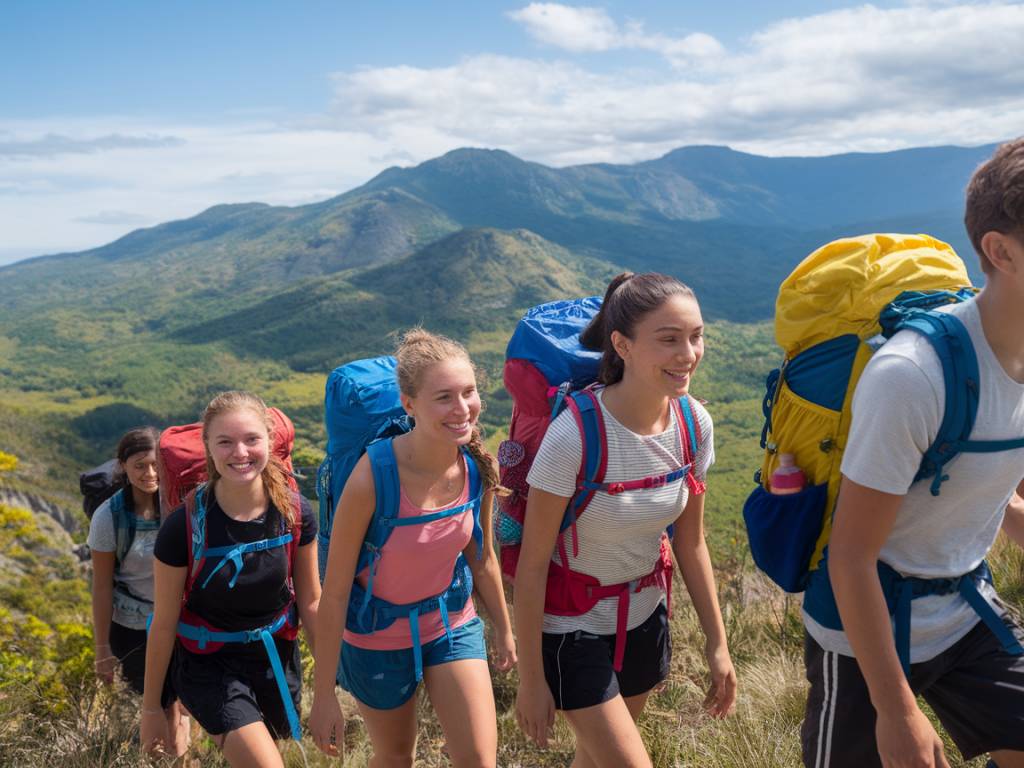
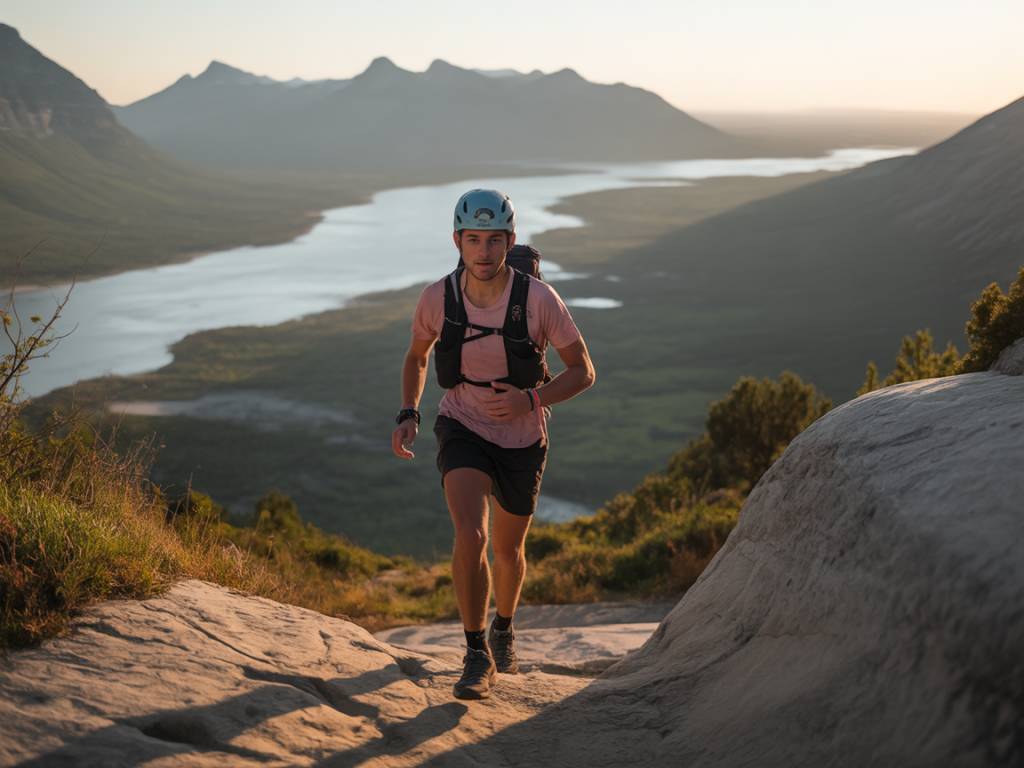
Sport and outdoor adventure sit at the heart of many gap year programs. Multi-day treks at altitude, early-morning surf training, or navigating remote trails with limited connectivity require a different kind of endurance than academic exams or digital multitasking.
These physical challenges are not only about fitness; they are about mindset. When a group is caught in unexpected bad weather during a hike, or when a river crossing proves more difficult than anticipated, participants must solve problems together, manage fear, and adapt quickly. This kind of learning is difficult to reproduce in a classroom.
Young travelers often report that completing a challenging expedition changes their perception of what they are capable of. The first 20-kilometer hike with a heavy pack may feel impossible. By the end of several weeks, that same distance becomes routine. The psychological impact of this shift—recognizing that limits can move—is a key part of the transformation from hesitant teenager to confident global citizen.
Cultural Literacy Beyond the Postcard View
Adventure in itself does not automatically create awareness. What differentiates transformative gap years from adrenaline-focused trips is the intentional focus on cultural learning.
Living, even briefly, within a community can challenge preconceived ideas about “developed” and “developing” countries, about wealth, poverty, and happiness. A volunteer working with a local sports club in a small town might notice how limited resources do not prevent young athletes from building strong teams and a supportive community. A homestay student may observe how multi-generational households share responsibilities and care for elders in ways that differ dramatically from Western norms.
These encounters build what educators call “cultural literacy”: the ability to understand social cues, respect cultural norms, and recognize that other ways of organizing daily life are not inferior, just different. By hiking with local porters, learning basic phrases in indigenous languages, or helping prepare traditional meals, participants move from being observers to being guests—an important shift in mindset.
Environmental Awareness and the Outdoor Classroom
Many adventure gap year programs intentionally place participants in ecosystems that are under pressure: coral reefs affected by bleaching, mountain regions dealing with melting glaciers, or forests vulnerable to deforestation. The combination of direct observation and scientific explanation can make abstract issues like climate change feel immediate and personal.
For instance, a student who spends several weeks assisting with reef monitoring in the Pacific may witness declining fish populations, coral damage, and changing water temperatures. Seeing these changes firsthand, while working alongside local researchers or NGOs, makes environmental issues tangible. Instead of reading a statistic, they are counting species and logging data themselves.
This kind of experience often reshapes their relationship to consumption and travel. Some return home more aware of the environmental impact of their lifestyle choices and more motivated to support sustainable practices in sports, travel, and everyday life.
The Role of Gear and Responsible Consumption
Adventure gap years also lead many young people to think differently about the products they buy. When you carry everything you need for several weeks on your back, you start caring about weight, durability, and environmental impact in ways that go beyond aesthetics.
Key categories of equipment often become part of the conversation:
- Backpacks and luggage: A well-fitted backpack with a supportive hip belt can mean the difference between chronic discomfort and sustainable trekking. Many travelers now prioritize brands that offer repair services and use recycled materials.
- Technical clothing: Lightweight, quick-drying layers reduce the need to overpack and allow for easier washing and re-wearing. There is a growing interest in garments made from merino wool or recycled synthetics to balance performance with environmental responsibility.
- Footwear: Reliable hiking boots or trail shoes become non-negotiable once a participant experiences blisters or ankle pain on a steep ascent. Longevity and repairability increasingly matter to travelers who see gear as an investment rather than a disposable item.
- Reusable essentials: Refillable water bottles, filtration systems, and compact utensils help reduce single-use plastics in remote or fragile environments. Many gap year guides now list these as mandatory items.
Through direct exposure to waste accumulation on trails or beaches, participants often become more critical of fast fashion and cheap, short-lived equipment. The gear they choose becomes part of a broader effort to minimize impact and support responsible brands.
Skills That Travel Beyond the Trip
Adventure gap years are frequently described as “life-changing,” but the practical outcomes are often surprisingly concrete. Participants return with a toolkit of transferable skills that extend far beyond sport and travel.
- Leadership and teamwork: Navigating group dynamics on a demanding expedition, sharing responsibilities for cooking and camp setup, or resolving conflicts in cramped conditions all build leadership capacity and empathy.
- Communication across cultures: Learning to be understood with limited shared language, or adapting one’s behavior to local norms, builds communication flexibility valuable in international studies or careers.
- Problem-solving under pressure: When transport breaks down, weather changes suddenly, or equipment fails, students learn to improvise solutions and stay calm—skills directly applicable in workplaces and higher education.
- Self-management: Budgeting over several months, planning routes, monitoring health and nutrition, and managing time around travel logistics all strengthen personal responsibility.
These skills are increasingly recognized by universities and employers who value resilience, initiative, and intercultural competence. As a result, adventure gap years are shedding their reputation as an indulgent “year off” and are instead seen as a deliberate, structured “year on” for personal growth.
Accessibility and Equity: Who Gets to Take an Adventure Gap Year?
One of the major critiques of gap years has long been their accessibility. Many structured programs are expensive, and international travel is not financially realistic for all families. This raises important questions about who gets access to transformative experiences and who does not.
In response, some organizations and universities have started to offer scholarships, sliding-scale fees, or partnerships with community groups to reduce costs. There is also a rise in “local adventure gap years,” where participants explore their own country or region through extended bikepacking trips, long-distance hikes, or service projects combined with outdoor education.
These more localized versions can be just as powerful in building global awareness, especially when they include interaction with diverse communities, environmental projects, and structured reflection. They also challenge the idea that global citizenship requires long-haul flights; instead, it becomes anchored in attitudes, not air miles.
From Adventure Seekers to Global Citizens
At their best, adventure gap years do more than produce impressive photos and compelling anecdotes. They foster a sense of interconnectedness. After living with families in remote regions or working on environmental projects, many young people report feeling a deeper responsibility toward the communities they visited and the planet as a whole.
Global citizenship in this context is not an abstract ideal. It looks like staying in touch with friends met abroad, supporting local initiatives from afar, making more conscious choices about travel and consumption, and bringing a more informed perspective into classrooms, workplaces, and social circles.
For those considering an adventure gap year, the questions are shifting. It is no longer only “Where can I go?” or “What can I do?” but also “How can I contribute?” and “What kind of person do I want to become as a result of this journey?”
In this shift—from consumer to participant, from tourist to citizen—adventure gap years are quietly reshaping the way a generation approaches travel, sport, and responsibility in a world that feels both vast and deeply interconnected.