
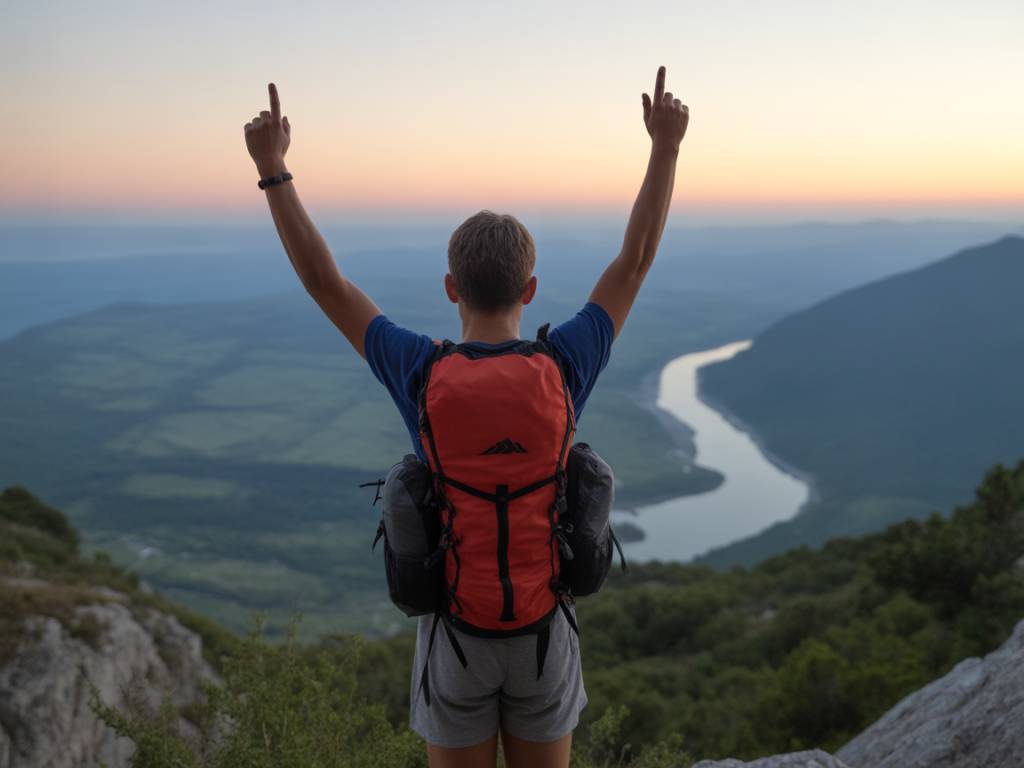
Why Adventure Gap Years Are Gaining Momentum
Across Europe, North America and increasingly in Asia, more young people are pressing pause on the straight line from school to university or first job. Instead, they are choosing “adventure gap years” that blend physical challenge, travel and community engagement. These are not extended holidays. They are curated months where mountain trails become classrooms, surfboards replace desks for a while, and teams built on the road sometimes feel stronger than those built in school corridors.
At the heart of this trend lies a shift in what young people, and often their parents, expect from post-school experiences. Academic credentials still matter, but so does resilience, emotional intelligence and the ability to work in unfamiliar environments. Adventure gap years promise to deliver these qualities through sport and meaningful travel, rather than lectures and exams.
Sports-based gap programs, trekking expeditions and community-focused travel initiatives are now promoted not just as a “break”, but as an informal training ground for adulthood. For many participants, these months become a defining period in shaping identity, career choices and long-term lifestyle habits.
The Role of Sport in Shaping Character and Confidence
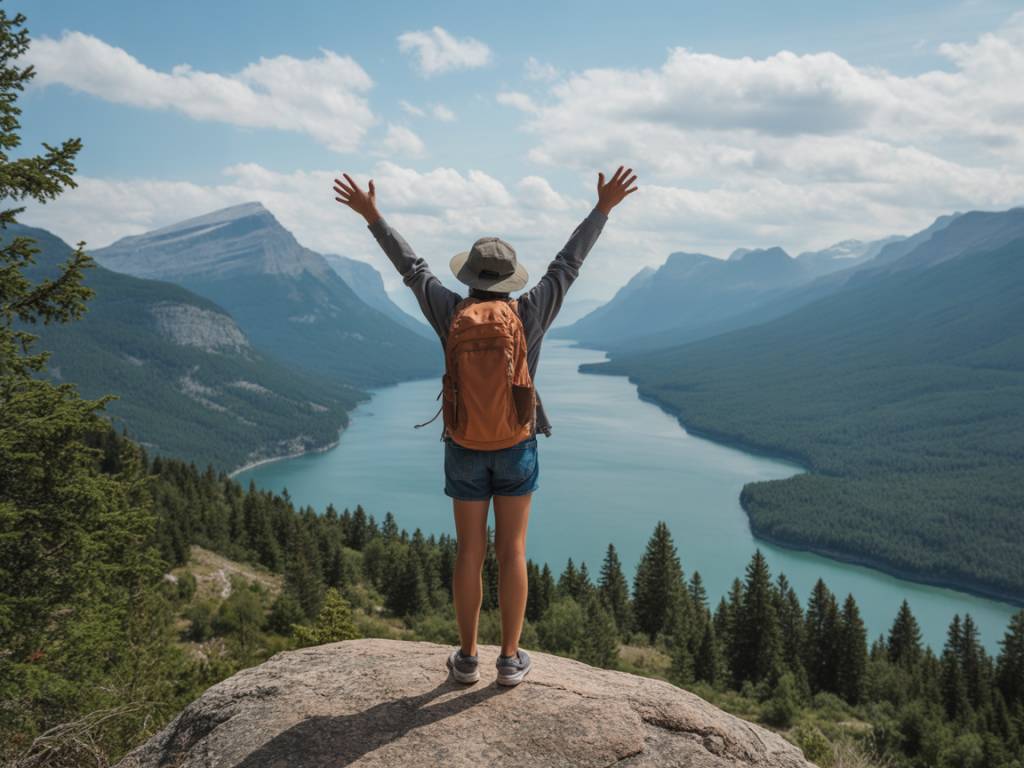
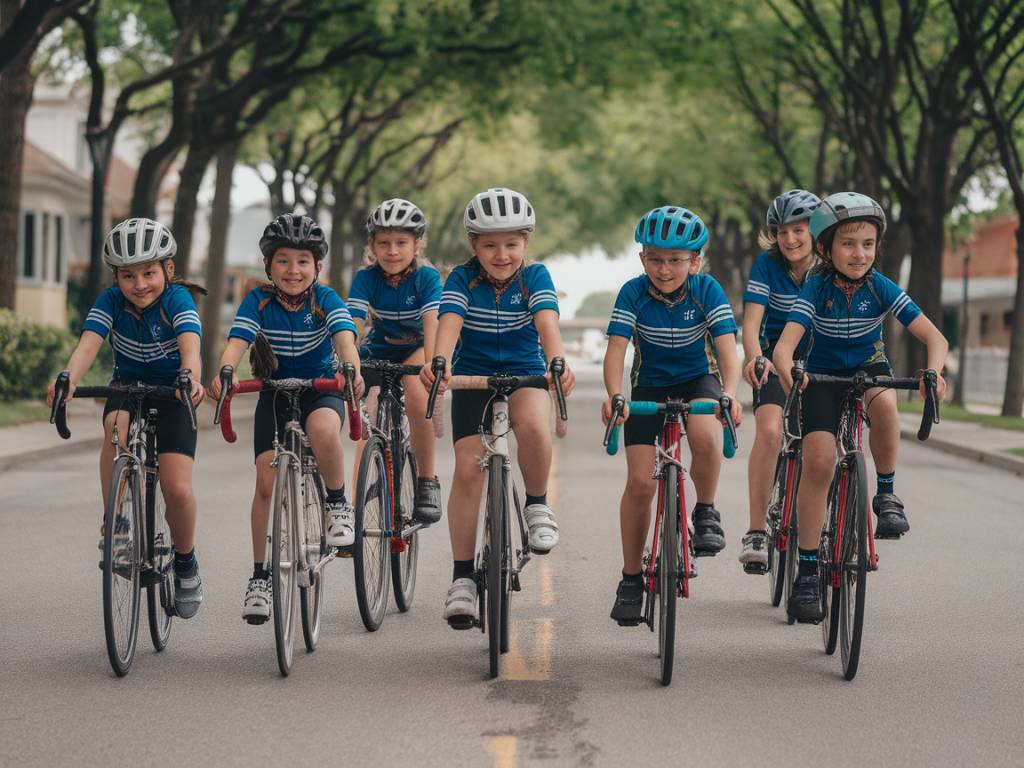
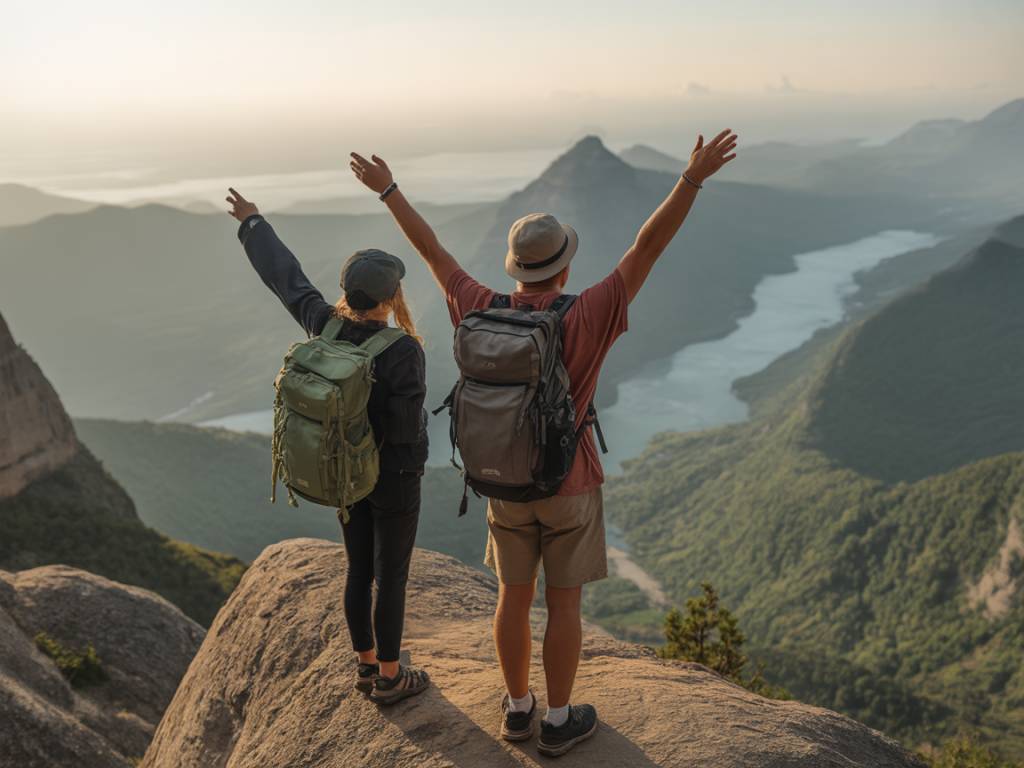
Sport is the backbone of many adventure gap years. Whether it is hiking across national parks, learning to surf on remote coasts or joining a multi-day cycling tour, physical activity provides a structured way to push limits and test comfort zones.
Beyond fitness, these experiences are fundamentally about character. A steep trail at high altitude or a long-distance run in the heat exposes more than physical capacity; it reveals how someone handles frustration, fear and fatigue. Participants frequently report that the sporting element of their gap year taught them as much about patience and self-belief as it did about technique.
In well-designed adventure programs, sport is rarely an isolated activity. Trekking might be combined with environmental education, while a surf camp might integrate local cultural immersion and volunteer work. The result is that physical effort becomes a gateway to understanding broader issues—such as climate change, coastal erosion or the impact of tourism on local economies.
From Tourist to Temporary Local: The Shift Toward Meaningful Travel
Traditional backpacking, with its focus on low-cost travel and a rapid checklist of destinations, is increasingly being questioned by young travelers. Adventure gap years reflect a different ambition: staying longer in fewer places, and building real relationships with local communities.
Meaningful travel is often defined by three characteristics: time, intention and contribution. Participants stay long enough to move beyond surface-level impressions; they travel with the explicit goal of learning; and they try, in however small a way, to give back.
This can take many forms. Some young people join conservation projects that involve trail maintenance, wildlife monitoring or beach clean-ups. Others contribute through sport itself, supporting local youth clubs, coaching school teams or helping to organize small community tournaments. In both cases, the aim is to ensure that the experience is not purely extractive, but based on exchange.
How Adventure Gap Years Transform Personal Development
The transformative impact of an adventure gap year is often easiest to see in the small, everyday moments: a shy teenager leading a team meeting at a mountain base camp; a former non-athlete finishing a long hike they once thought impossible; a young traveler learning to navigate a foreign language during a homestay.
Several recurrent development themes appear across programs:
- Resilience: Multi-day treks, unpredictable weather and unfamiliar sleeping arrangements force participants to adapt quickly. Learning to cope with uncertainty without giving up is a core outcome.
- Self-management: From packing gear to managing hydration and nutrition during sports activities, young people take direct responsibility for their well-being, often for the first time away from home.
- Teamwork and leadership: Adventure sports demand trust. Navigation, camp setup, safety checks and group pacing all require collaboration. Participants rotate responsibilities, which naturally develops leadership skills.
- Cultural awareness: Training or volunteering within local clubs, community centers or outdoor organizations encourages genuine interaction, rather than the staged encounters typical of mass tourism.
These skills are not just useful for future expeditions. They translate into university life and the workplace, where young adults are expected to manage workload, collaborate across cultures and stay calm under pressure.
The Mental Health Dimension: Space to Breathe and Reflect
One of the less discussed, but most impactful, aspects of adventure gap years is their relationship to mental health. Many participants describe the experience as a reset after years of academic pressure, social media comparison and pandemic-related disruptions.
Physical activity in outdoor settings is consistently linked to lower stress, improved mood and better sleep. When combined with distance from digital distractions and a slower pace of life, it can create space for reflection that is rarely available during school years.
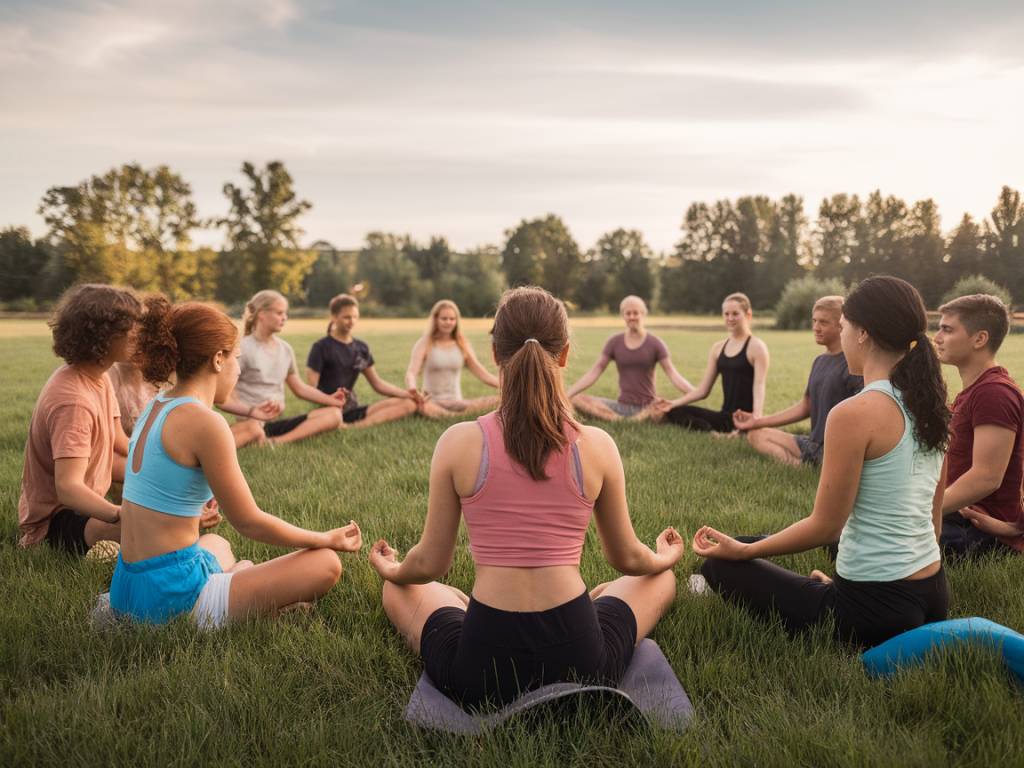
Some programs now explicitly integrate mindfulness or journaling, encouraging participants to process their experiences while they travel. Others provide informal support through group check-ins and guided discussions about motivation, fear, failure and ambition. The mountain or the ocean becomes not just a backdrop, but an active partner in building emotional resilience.
Popular Types of Adventure Gap Year Programs
Not all adventure gap years look the same. Young people can choose from a wide spectrum of formats, depending on their interests, budget and fitness level. Among the most popular models:
- Outdoor leadership and expedition courses: These programs focus on hiking, climbing, camping and navigation, often in national parks or remote wilderness areas. Participants learn technical skills alongside leadership and group decision-making.
- Surf and coastal living experiences: Based in surf towns or coastal villages, these gap years combine daily surf sessions with environmental education, yoga and sometimes marine conservation projects.
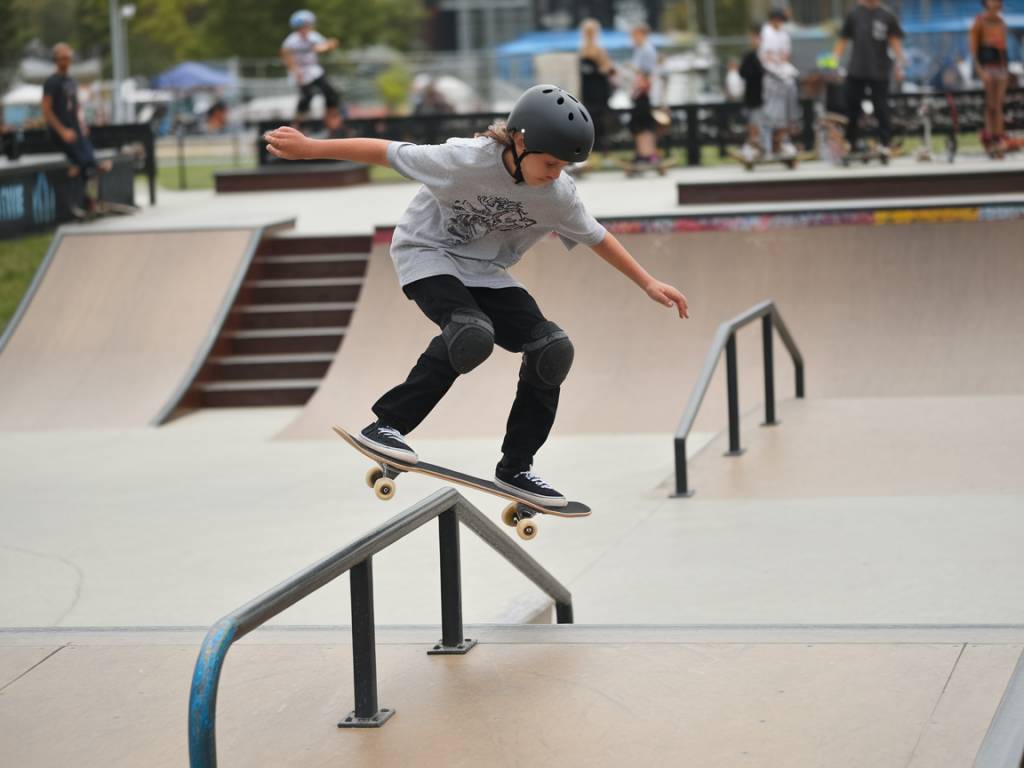
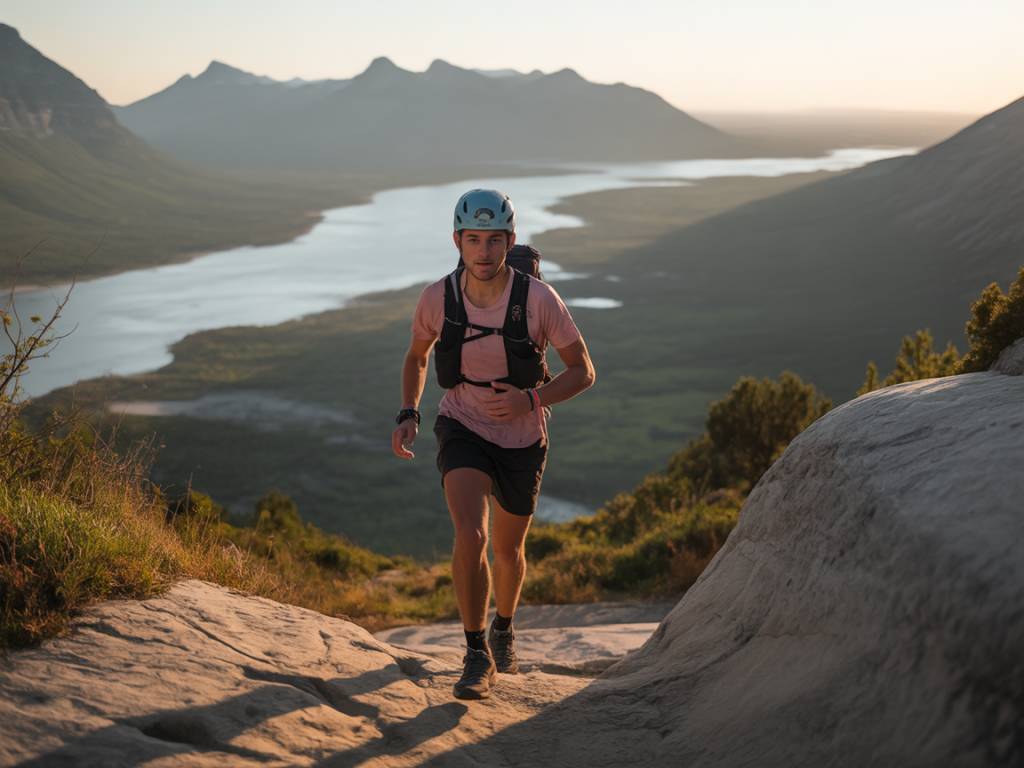
- Multi-sport and adventure travel routes: Participants move between locations and try different sports—kayaking, mountain biking, trail-running, skiing or snowboarding—developing versatility rather than specializing in a single discipline.
- Community sports and coaching placements: Young people with a passion for football, basketball, rugby or athletics can support grassroots clubs, school teams or youth centers, helping organize training sessions and local events.
- Hybrid study-and-sport options: Some organizations and universities now offer accredited modules in subjects such as outdoor education, environmental science or sports management, integrated into an adventure-based year.
Choosing the Right Program: What Families Should Look For
For many families, the biggest challenge is not the idea of an adventure gap year itself, but identifying a safe, ethically responsible and high-quality program. Several practical criteria can help guide the decision.
- Safety standards: Check staff qualifications, first-aid certification, emergency protocols and maximum group sizes. Serious providers are transparent about risk management and have clear communication procedures.
- Credible partnerships: Look for collaborations with recognized outdoor organizations, local NGOs, schools or sports federations. These connections often indicate that the program is embedded in the local community rather than operating as an isolated bubble.
- Clear learning objectives: The best programs describe not only the activities, but also the intended outcomes: specific skills, certifications, personal development goals or academic credits.
- Ethical approach to volunteering: If the program includes “giving back”, examine carefully how local communities are involved in planning and decision-making. Avoid initiatives that seem to prioritize traveler experiences over long-term local needs.
- Transparent pricing: A breakdown of what is included—accommodation, equipment, lessons, transport, insurance—helps families compare options fairly and assess the true cost.
It is also worth considering the style of accommodation, the level of independence expected and the amount of unstructured time. Some young people thrive in structured, group-based environments, while others benefit from more flexibility and solo exploration.
Essential Gear and Products for an Adventure Gap Year
Quality equipment can make the difference between a challenging-but-rewarding experience and a miserable one. While every itinerary is different, there are a few categories that almost every adventure traveler should consider carefully.
- Backpack and packing systems: A durable, well-fitted backpack is non-negotiable for trekking or multi-day moves. Look for adjustable back panels, a supportive hip belt and weather-resistant materials. Packing cubes or dry bags help keep gear organized and protected from moisture.
- Footwear: Trail shoes or hiking boots should be tested and broken in well before departure. For water sports or coastal living, consider quick-drying sandals or booties. Quality socks designed for sport can greatly reduce the risk of blisters.
- Technical clothing: Lightweight, moisture-wicking layers perform better than heavy cotton in most outdoor environments. A reliable waterproof jacket and sun-protective clothing are essential, whether in the mountains or by the sea.
- Sport-specific equipment: Some programs provide gear such as surfboards, climbing harnesses or kayaks; others require or recommend bringing personal items like helmets, wetsuits or trekking poles. Clarifying this early helps avoid unnecessary purchases or last-minute stress.
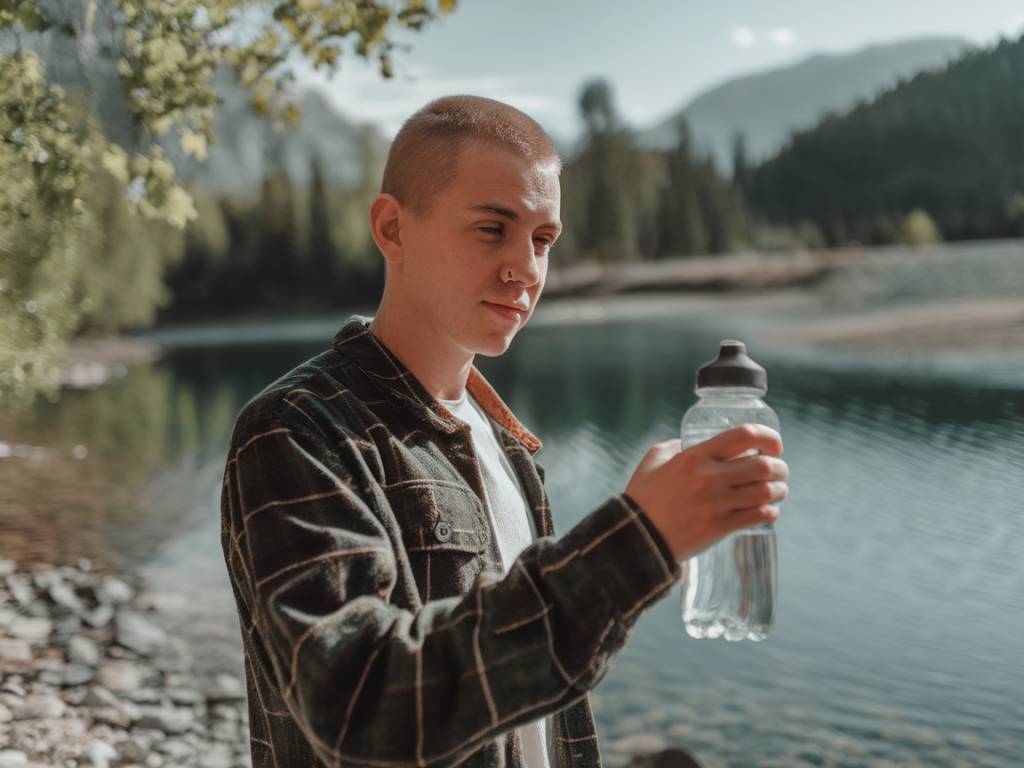
- Health and recovery tools: A compact first-aid kit, refillable water bottle, simple stretching aids (such as a resistance band) and good-quality sunscreen support long-term performance and injury prevention.
- Digital tools: For navigation and safety, many travelers now use GPS watches, offline map apps and satellite communication devices in remote areas. However, it is useful to balance digital reliance with traditional skills such as map-reading and compass use.
Investing in the right products is not just about comfort; it is also about safety, sustainability and longevity. For families on a budget, renting certain items or buying second-hand can be a responsible alternative to purchasing everything new.
Beyond the Year Off: Lasting Impact on Lifestyle and Career
The influence of an adventure gap year often extends far beyond the final flight home. Many former participants describe a lasting shift in how they move, eat, work and consume.
Sport becomes integrated into daily life, not as a chore, but as a habit learned on trails and in waves. Some pursue formal qualifications in outdoor leadership, coaching or sports science. Others choose careers in sustainability, social entrepreneurship or education, driven by insights gained while living closely with communities and ecosystems.
Even for those who do not change career paths, the year tends to leave behind a stronger sense of agency. Having navigated unfamiliar landscapes, led peers through difficult conditions and connected with people across cultures, they often approach future challenges—whether exams, job interviews or new cities—with quieter confidence.
Ultimately, adventure gap years are less about escaping reality and more about rehearsing for it. Through sport, meaningful travel and structured reflection, they offer young people a rare opportunity: time to explore who they are and who they might become, before the next chapter of their lives begins.