


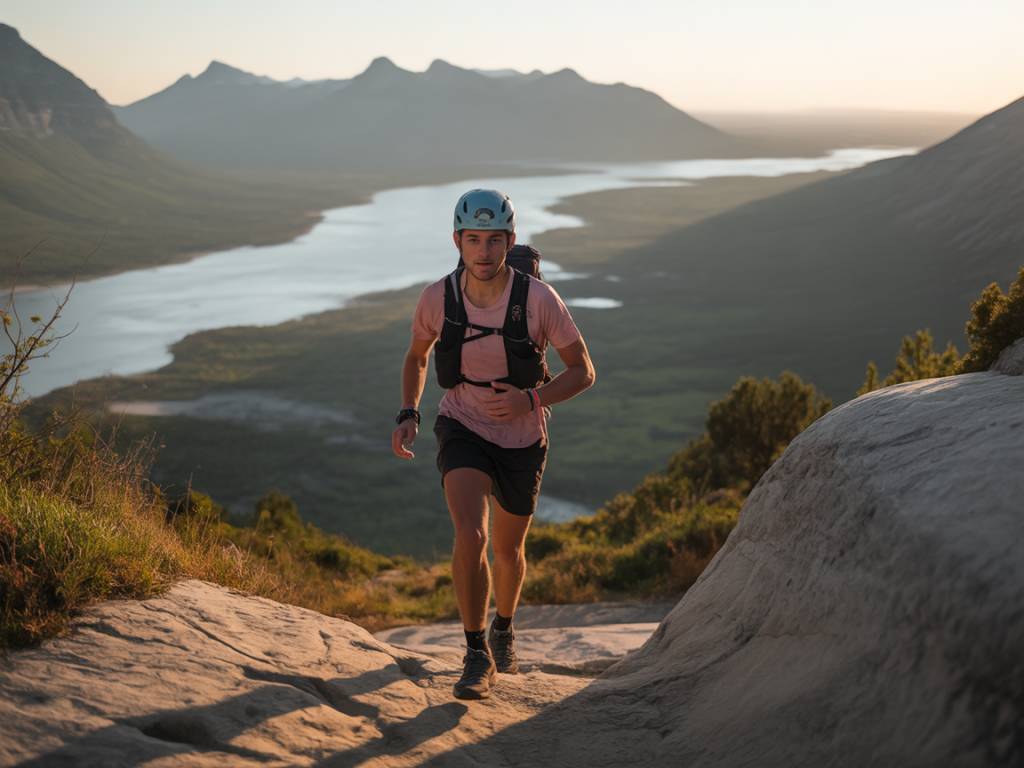
Why adventure races are capturing the youth imagination
Over the past decade, adventure races have shifted from niche endurance events to highly visible experiences that speak directly to a new generation of young travelers. Instead of choosing between a fitness goal and a trip abroad, many now look for challenges that combine both: running through jungles, cycling over mountain passes, paddling across lakes, or orienteering through unfamiliar terrain.
These events are not just about finishing times. For young adults who grew up with social media, climate anxiety, and an increasingly digital lifestyle, adventure races offer something rare: a structured, physical challenge anchored in real landscapes, communities, and cultures. They promise a mix of sport, exploration, and storytelling that seems tailor‑made for youth who want their travel to feel purposeful.
What exactly is an adventure race?
Adventure races are multi-discipline events that typically combine several of the following: trail running, mountain biking, kayaking or canoeing, climbing, navigation, and sometimes obstacles or survival elements. Courses can range from short, beginner-friendly formats that take a few hours to multi-day expeditions that cover hundreds of kilometers.
Unlike traditional road races, the course is often off-road, sometimes unmarked, and set in wild or semi-wild environments. Participants may navigate using maps and compasses, pass through remote checkpoints, and work in teams rather than as solo competitors. This structure emphasizes:
- Endurance over pure speed
- Navigation and problem-solving
- Teamwork and communication
- Adaptability to changing conditions
For youth accustomed to structured school sports or gym workouts, this is an entirely different proposition. It is less about personal records and more about resilience, creativity, and the ability to stay calm when things get uncomfortable.
Why this format appeals to young travelers
Adventure races intersect with several trends that strongly influence youth culture: the desire to travel, to stay fit, to live sustainably, and to collect meaningful experiences instead of just possessions. Three motivations appear repeatedly when young participants talk about their first (and often not last) adventure race.
1. A clear goal that justifies the trip
Many young people want to see new countries but struggle to justify the environmental, financial, or personal cost of long-distance travel. Signing up for an adventure race provides a clear goal: train for a specific event, in a specific place, at a specific time. This turns a leisure trip into a project.
You are not just visiting Costa Rica; you are racing a jungle stage race there. You are not simply going to a European mountain town; you are joining a multi-day adventure challenge that crosses its valleys and ridges. The race provides a narrative and a reason to be there beyond tourism.
2. Sport as a way to connect with local environments
Adventure races often highlight local geography, culture, and ecosystems. Organizers collaborate with regional authorities, landowners, and sometimes Indigenous communities to design routes that showcase distinctive landscapes: desert canyons, coastal trails, temperate forests, or high-altitude plateaus.
Young participants describe the sensation of “earning” each view through effort. A sunrise on a mountain ridge feels different when you have climbed through the night to reach it. Paddling on a glacial lake or cycling through farmland becomes a more embodied experience when it is part of a demanding route rather than a sightseeing stop.
3. A social experience built around challenge
The team format of many adventure races is particularly attractive to youth. Instead of competing alone, participants form small groups—often a mix of friends from university, coworkers, or people who meet through online communities focused on outdoor sports. They share training plans, gear tips, and anxieties before the race, and then share the reality of fatigue, navigation mistakes, and unexpected triumphs during the event.
In a world where many social interactions are filtered through screens, the intense in-person collaboration required by adventure racing feels refreshing. It creates tight bonds and memorable stories—essential ingredients for youth culture and, inevitably, for social media content that travels far beyond the finish line.
From weekend warrior to destination challenger
One of the clearest shifts in recent years is the move from local, single-day events to destination races that doubles as travel experiences. Many organizers now design their events deliberately with international youth participants in mind, offering:
- Packages that combine race entry, accommodation, and local transport
- Shorter “lite” distances for first-timers alongside elite categories
- Pre- and post-race activities: cultural visits, workshops, or environmental initiatives
- Partnerships with youth hostels, eco-lodges, or budget hotels
For young travelers, this is appealing. Instead of planning every stage of a journey, they can anchor their trip around a single event and build extra days before or after to explore. The race provides structure and community from day one: you arrive in a foreign country and immediately have something in common with hundreds of people.
Training lifestyles: how preparation becomes part of the appeal
The race itself might last a day or a week, but the preparation can shape months of daily life. Youth who sign up for adventure races often reorganize how they train, eat, and commute. Running on roads gives way to trail runs in local parks and forests. Occasional gym sessions are replaced by cross-training that includes:
- Trail running or hiking with elevation gain
- Cycling or mountain biking, sometimes for commuting
- Strength work focusing on core and functional movements
- Navigation skills practice with maps and compasses
With this shift comes a new relationship to gear and equipment. For many readers of youth and lifestyle blogs, the search for the right products is part of the journey. They browse and compare:
- Trail running shoes with reliable grip and drainage for river crossings
- Lightweight hydration vests or running backpacks for long stages
- Technical clothing that dries quickly and resists abrasion
- Compact headlamps for night segments
- GPS watches and navigation tools to track training and learn basic orienteering
These purchases are rarely just about performance. They signal a commitment to a more outdoors-oriented lifestyle. Owning a pair of robust trail shoes or a packable rain jacket can be the first step toward exploring local hills and forests, not just preparing for a race abroad.
Safety, accessibility, and barriers to entry
Despite the romantic imagery of remote mountain ridges and jungle rivers, adventure races are not only for elite athletes. Many organizers have made conscious efforts to lower the entry barriers for youth, creating shorter courses, beginner-friendly formats, and clear safety protocols. Pre-race briefings, gear checklists, and mandatory equipment rules are designed not just to satisfy regulations but to genuinely protect participants.
Still, accessibility is not equal for everyone. Costs related to travel, registration fees, and equipment can be significant. This is where strategic choices matter. Youth who are just starting out often:
- Choose regional or national races instead of far‑flung expeditions
- Share gear with friends or borrow items like tents, stoves, or technical clothing
- Look for second-hand equipment online
- Opt for multi-use products they can also wear daily, such as waterproof shells or running packs
On the safety side, race organizers typically work with local rescue teams, medical staff, and experienced route designers. For young people accustomed to risk-averse environments, learning to manage real physical risk under supervision can be empowering rather than frightening.
Sustainability: can adventure racing be responsible travel?
Any form of travel raises environmental questions, and young participants are often acutely aware of this. Adventure races position themselves at an interesting intersection: they encourage deeper contact with nature and often rely on pristine landscapes as their selling point.
Many events have responded by integrating sustainability into their identity. This can include:
- Strict no-littering policies and mandatory personal cups or flasks
- Partnerships with local conservation projects or NGOs
- Limited participant numbers to reduce impact on fragile ecosystems
- Encouraging train or bus travel when possible, especially in Europe
- Re-usable or minimal race swag instead of disposable branded items
Young racers increasingly ask questions about these policies before signing up. For them, choosing an event is not only about distance or difficulty but also about how it aligns with their values. This, in turn, shapes which products they buy—favoring durable, repairable gear and brands with transparent supply chains.
How youth can choose their first adventure race
For readers considering this path, selecting the right debut event is crucial. A positive first experience can lead to a long-lasting relationship with outdoor sports; a poorly chosen one can be discouraging. Key factors to consider include:
- Distance and elevation: Start with a shorter race or a beginner category. Ambition is good, but underestimating cumulative fatigue is a common mistake.
- Team or solo: Many young people find team formats less intimidating, as responsibilities and navigation tasks are shared.
- Terrain: Choose a landscape you are excited to train for—coastal routes, forests, mountains, or desert regions all offer different challenges.
- Climate: Consider heat, humidity, altitude, and seasonal weather. Training for a hot, humid race in a colder climate requires adaptation time.
- Logistics: Look at transport, accommodation options, and required gear. Simpler logistics mean more energy for the race itself.
Many organizers publish detailed gear lists, route profiles, and even training plans. These resources can guide both your registration decision and your eventual equipment purchases, from entry-level trail shoes to more technical navigation tools.
Beyond the finish line: how adventure races reshape youth lifestyles
What stands out when speaking with young adventure racers is not just the satisfaction of completing an event but the transformation that follows. Finishing a multi-sport race in a foreign landscape often changes how participants think about their bodies, their free time, and their future travels.
Instead of seeing vacations as breaks from daily routines, they start to see them as extensions of an active lifestyle. Weekend trips become opportunities for trail exploration. Commutes might turn into bike rides. Gear purchased “for the race” evolves into everyday companions: a running vest for urban errands, trail shoes for city parks, a compact headlamp for early morning starts.
Adventure races, in that sense, are not just another endurance trend. They offer youth a combined framework for sport, travel, and identity-building. The finish line is only one moment in a longer story—one that begins with a registration click and often leads to a reconfigured way of moving through both local and global landscapes.