


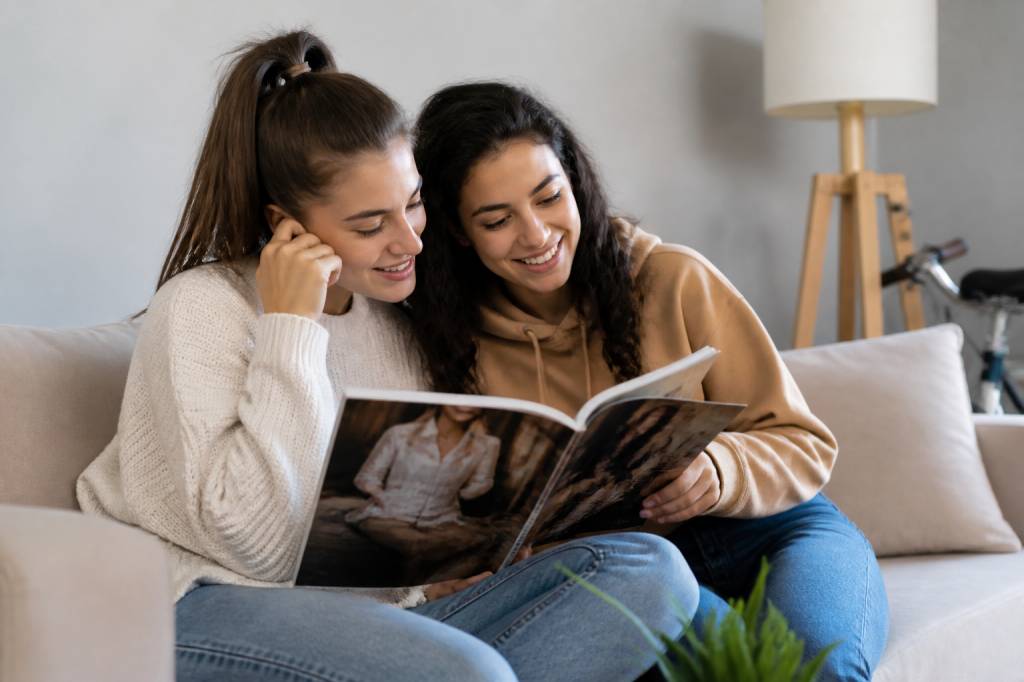
Female magazines have never been just about fashion, celebrities, or the latest skincare launch. They have also been cultural engines—places where young readers discover new ideas, find role models, debate identity, and learn what is happening beyond their immediate world.
Today, that influence extends far beyond glossy pages. Magazines live on websites, TikTok feeds, podcasts, newsletters, YouTube channels, and social platforms. Their stories help shape how young people dress, train, travel, spend, speak, and see themselves. The format has changed, but the cultural impact remains remarkably strong.
So how are female magazines influencing youth culture, sports, and travel trends? The answer is simple: they turn individual interests into shared movements. A personal story can become a conversation. A new athlete can become a role model. A destination can suddenly appear on everyone’s travel list.
From magazines to digital culture
Traditional magazines once arrived monthly, offering readers a carefully edited snapshot of the moment. Young audiences now expect information instantly. Female-focused media has adapted by becoming faster, more interactive, and more personal.
A magazine article may begin as a long-form interview, then become a short video, a carousel post, a podcast episode, and a discussion in the comments. Readers are no longer passive. They react, share, remix, question, and sometimes challenge the publication itself.
This matters because youth culture moves quickly. A trend can begin in a small online community in the morning and become mainstream by evening. Female magazines help identify those shifts while also giving them context. They explain why a particular style, athlete, destination, or social issue matters instead of simply announcing that it is popular.
The strongest publications understand that young readers are not one single audience. A 16-year-old discovering her first sports community has different needs from a 25-year-old planning a solo trip. Good journalism leaves room for both, without talking down to either.
Redefining what it means to be young
Female magazines have played a major role in expanding the definition of youth culture. For decades, young women were often presented through narrow stereotypes: the trend follower, the romantic dreamer, or the celebrity fan. Modern media offers a far broader picture.
Today’s stories feature young women as entrepreneurs, athletes, artists, activists, gamers, scientists, travelers, and community leaders. That variety sends a powerful message: there is no single correct way to be young, ambitious, or feminine.
Consider the impact of a profile on a teenage founder launching a sustainable clothing label. The story may inspire readers to start a business, but it can also encourage them to think critically about production, consumption, and responsibility. One article becomes a practical lesson in creativity and values.
The same applies to coverage of mental health, body image, relationships, and education. When these subjects are treated honestly rather than wrapped in perfect, unrealistic packaging, readers gain language for experiences they may struggle to explain. Sometimes the most influential sentence is simply: “You are not the only one dealing with this.”
Sports coverage is changing the conversation
Sports have historically received more attention when men were competing. Female magazines are helping change that imbalance by placing women’s sports at the center of the story—not at the bottom of the page after the main event.
Coverage now goes beyond scores and medals. It examines pay gaps, access to training, sponsorship, injuries, leadership, maternity, confidence, and the pressure placed on young athletes. Readers meet competitors as complete human beings, not just as bodies performing under pressure.
A feature on a football player, for example, may explore her training schedule, family background, education, and experience in a male-dominated environment. That kind of storytelling makes sport more relatable. A young reader may not dream of becoming an Olympic champion, but she may recognize the fear of failure, the discipline required to improve, or the challenge of being underestimated.
Visibility also affects participation. When young women regularly see athletes who look, speak, and live like them, sport feels more accessible. It becomes less about fitting an old image of the “perfect athlete” and more about finding an activity that brings energy, confidence, and community.
Female magazines are also broadening the definition of sport. Running, climbing, skateboarding, surfing, boxing, cycling, dance, and outdoor adventures receive more attention. The message is clear: sport is not reserved for elite competitors or school teams. It can belong to anyone who wants to move.
Breaking the polished-athlete stereotype
Social media often presents sport as a highlight reel: perfect form, perfect outfits, perfect results. Magazine journalism can slow the story down and show what happens behind the image.
Readers learn about early-morning practices, disappointing performances, recovery days, financial obstacles, and the mental work involved in staying motivated. This honesty is especially valuable for teenagers, who may already feel pressure to excel in every area of life.
It also challenges unrealistic beauty standards. Athletes are increasingly celebrated for strength, skill, speed, and endurance rather than judged primarily on appearance. That shift can influence how young people view their own bodies. A powerful body is not a problem to fix; it is a tool capable of remarkable things.
There is still plenty of work to do. Women’s sport needs more investment, more broadcasting, and more consistent coverage. But every meaningful profile and every visible competition helps move the culture forward.
Travel is becoming more personal
Female magazines have also transformed the way young people imagine travel. Older travel coverage often focused on luxury hotels, famous landmarks, and expensive escapes. Today’s readers are looking for experiences that feel personal, responsible, and achievable.
They want to know how to plan a first solo trip, where to find affordable accommodation, how to travel safely, and which destinations offer genuine local experiences. A beautiful photograph may attract attention, but practical information earns trust.
For many young women, travel content is also about independence. Taking a train across a country, joining a group tour, or spending a weekend in a new city can become a personal milestone. The destination matters, but so does the confidence gained along the way.
Stories about female travelers make those possibilities feel real. A writer who explains how she navigated a new city alone, handled a missed connection, or found community abroad offers more than inspiration. She offers a useful road map—with the occasional warning that airports are excellent places to test patience.
Safety, freedom, and responsible exploration
Travel content aimed at young women must balance excitement with realism. Encouraging adventure does not mean ignoring safety. The most useful guides discuss transport, local customs, emergency contacts, digital privacy, travel insurance, and the importance of trusting personal instincts.
That practical approach helps readers make informed decisions rather than simply chasing an attractive image. It also rejects the idea that women must choose between freedom and caution. Preparation can create freedom. Knowing how to get help, manage money, and communicate across language barriers makes exploration less intimidating.
Female magazines are also questioning the environmental and social cost of travel. Young readers are increasingly interested in slower journeys, public transport, local businesses, ethical tourism, and destinations outside overcrowded hotspots.
Instead of asking only, “Where should I go next?” they are asking:
- How will my visit affect the local community?
- Can I support independent businesses?
- Is there a lower-impact way to reach the destination?
- Am I experiencing the place or simply collecting photographs?
These questions reflect a wider cultural change. Travel is becoming less about proving that you were somewhere and more about understanding where you are.
Social media turns readers into trendsetters
One of the biggest differences between today’s female magazines and their predecessors is the relationship with the audience. Readers can immediately respond to a story, recommend a creator, or share their own experience.
This two-way exchange accelerates trends. A magazine may publish a guide to women’s cycling clubs, and readers may use it to organize local rides. A feature on affordable coastal travel may inspire followers to exchange budget tips. A conversation about confidence in sport may lead to a school or university group forming its own team.
In this sense, magazines do not simply report youth culture. They help build it.
Creators and influencers also play a role. The most effective collaborations do not feel like advertisements disguised as journalism. They connect products or experiences to real needs: comfortable equipment for beginners, inclusive clothing, reliable travel accessories, or technology that improves training.
Young readers are quick to notice when a recommendation feels forced. Authenticity is not a decorative extra anymore. It is the foundation of credibility.
Representation has real influence
Representation is one of the strongest ways media shapes ambition. When readers see different races, body types, abilities, identities, and economic backgrounds represented in sports and travel stories, the world appears larger and more possible.
A wheelchair user describing an accessible hiking route can help another reader imagine an outdoor adventure. A first-generation student reporting from abroad can make international travel seem less distant. A hijabi athlete competing at the highest level can challenge assumptions about who belongs in sport.
These stories do not need to present people as extraordinary simply for existing. They can focus on expertise, humor, effort, and everyday reality. That is what makes representation feel genuine rather than symbolic.
There is also an important responsibility here. Female magazines must avoid turning diversity into a seasonal trend. Inclusion should appear throughout the publication, not only in a special issue or a carefully branded campaign.
What young readers should take from it
The influence of female magazines is not about telling young people what to think. It is about giving them more choices, more information, and more examples of lives they might build.
Readers can enjoy a fashion story while questioning overconsumption. They can follow an elite athlete while defining success in their own way. They can plan a trip while considering its impact on the planet. Media literacy means enjoying the content and asking smart questions at the same time.
Before accepting a trend, it is worth considering:
- Who benefits from this message?
- Does this recommendation reflect real life or a carefully edited fantasy?
- Are different voices included?
- Can I adapt the idea to my own budget, body, location, or interests?
That kind of curiosity makes readers more independent. It also encourages media outlets to produce better work.
A culture in motion
Female magazines are shaping youth culture because they connect the personal with the wider world. A conversation about confidence can lead to greater participation in sport. A travel story can inspire independence and responsible exploration. A profile of a young creator can turn an unfamiliar career into a realistic possibility.
The most powerful stories do not promise that life will be perfect. They show possibilities, complications, setbacks, and progress. They make space for ambition without demanding perfection.
That is why their influence continues to grow across screens, pages, stadiums, and airports. Female magazines are not simply documenting what young people care about. They are helping young readers decide what matters next—and giving them the confidence to take part.