


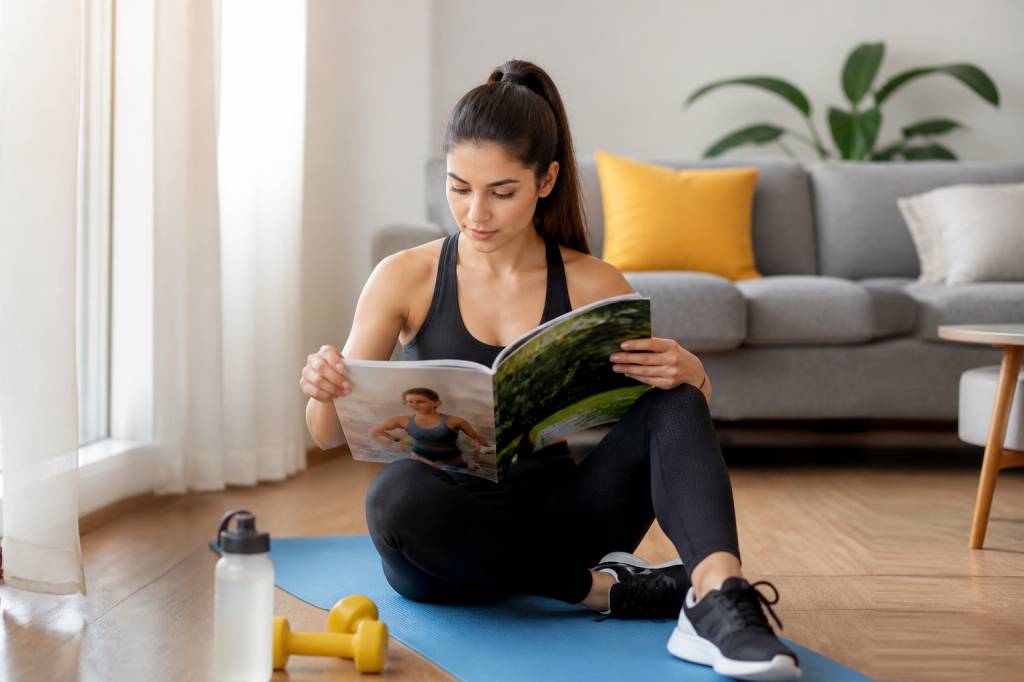
Young people are surrounded by health advice. It appears in social feeds, fitness apps, school newsletters, podcasts, and yes, magazines. Some of it is useful. Some of it is confusing. Some of it makes exercise look like a punishment for eating a slice of pizza.
Fitness and health magazines can offer a better message: a healthy lifestyle is not about looking perfect. It is about having more energy, feeling stronger, sleeping better, and building habits that support everyday life. For young readers, that message can be powerful because it turns health from an abstract idea into something practical and achievable.
A good magazine does more than publish workout routines. It tells stories, explains science, challenges myths, and introduces readers to people who are finding their own way to live well. That combination can inspire action without making health feel like another impossible standard to meet.
Making health feel realistic
Health advice often fails when it sounds disconnected from real life. Telling a teenager or young adult to spend two hours at the gym every day is not exactly helpful when they are balancing classes, work, family responsibilities, and a social life.
Fitness magazines can make healthy habits feel more realistic by showing how small choices fit into a busy schedule. A ten-minute stretch before school, a walk between classes, or a quick bodyweight workout in a bedroom can all count. The message is simple: movement does not need to be dramatic to be valuable.
This approach matters because many young readers assume that exercise only “counts” if it is intense. Magazines can challenge that idea with practical examples:
- Taking the stairs instead of the elevator.
- Walking or cycling for part of a daily commute.
- Playing basketball, dancing, swimming, or skating with friends.
- Doing a short mobility routine after sitting for several hours.
- Stretching while watching a favorite show.
These activities may not look like a professional training plan, but they build a more active lifestyle. They also remove the pressure to be perfect, which is often the first obstacle to getting started.
Stories are more motivating than statistics
Facts are useful, but personal stories are memorable. A young reader may forget a statistic about the benefits of regular exercise, but remember the story of a student who began walking every evening to manage stress, or an amateur runner who trained slowly after recovering from an injury.
Health and fitness magazines often use interviews and personal profiles to show that progress is rarely instant. Athletes, coaches, creators, and everyday people can all offer valuable perspectives. Their experiences remind readers that confidence develops over time and that setbacks are part of the process.
Imagine reading about a university student who started with five-minute workouts because they felt uncomfortable in a gym. After several weeks, those short sessions became fifteen minutes. Later, the student joined a beginner-friendly fitness class. The story is relatable because it does not begin with a perfect body, expensive equipment, or unlimited motivation. It begins with one manageable decision.
That kind of storytelling can help young people see themselves in the process. Instead of thinking, “I could never do that,” they may start thinking, “I could try the first step.” That shift is often more important than any inspirational quote printed in bold letters.
Building a healthier relationship with exercise
For years, fitness media often focused heavily on appearance. Toned arms, flat stomachs, dramatic transformations, and before-and-after images dominated the conversation. While visual goals can motivate some people, they can also create anxiety and unrealistic expectations.
Modern health magazines have an opportunity to broaden the definition of fitness. Strength can mean carrying groceries without struggling. Endurance can mean keeping up during a weekend hike. Flexibility can mean moving more comfortably after a long day at a desk. Fitness is not a single look. It is the ability to support the life you want to live.
This broader message is especially important for young readers, who are constantly exposed to edited images and carefully designed online content. A responsible article should explain that bodies come in different shapes, progress happens at different speeds, and photographs rarely show the full story.
Healthy fitness content should encourage readers to ask better questions:
- Do I feel stronger or more energetic?
- Am I enjoying the activity enough to keep doing it?
- Does this routine fit my schedule and abilities?
- Am I recovering properly?
- Is my goal connected to my well-being rather than punishment?
These questions move the conversation away from chasing perfection and toward developing a positive relationship with movement.
Explaining nutrition without creating confusion
Nutrition can be one of the noisiest areas of health media. One week, a food is presented as a superfood. The next week, it is treated like a problem. Young readers deserve information that is clear, balanced, and free from unnecessary fear.
Fitness and health magazines can help by explaining basic nutrition in everyday language. Instead of promoting extreme restrictions, they can show how meals provide energy, support concentration, and help the body recover.
A practical article might explain how to build a satisfying meal with a combination of carbohydrates, protein, healthy fats, fruits, or vegetables. It might also show affordable options for students, such as oats, eggs, beans, rice, yogurt, frozen vegetables, bananas, and whole-grain bread.
Food should not be presented as a moral test. A dessert is not a failure, and a salad is not automatically a personality. Young readers need to understand that balance matters more than rigid rules. Eating well can include cultural foods, shared meals, snacks, and the occasional fast-food stop with friends.
Magazines can make nutrition more useful by including practical ideas:
- Simple breakfasts for rushed mornings.
- Portable snacks for school or work.
- Budget-friendly recipes for beginners.
- Hydration tips for hot days and sports sessions.
- Advice on reading food labels without obsessing over every number.
The best content gives readers tools, not guilt. Nobody needs a complicated meal plan to start making more informed choices.
Connecting fitness with mental health
Young people are increasingly open about stress, anxiety, loneliness, and burnout. Fitness magazines can contribute to this conversation by explaining the relationship between physical activity and mental well-being without suggesting that exercise solves every problem.
A walk can clear the mind. Strength training can create a sense of confidence. Team sports can provide friendship and belonging. Yoga or stretching may help someone slow down after a stressful day. These benefits are real, but they should be presented as part of a wider support system, not as a replacement for professional care.
This distinction matters. A reader experiencing serious anxiety or depression may need to speak with a doctor, counselor, trusted adult, or mental health professional. A magazine can encourage healthy movement while also making it clear that asking for help is a strength, not a weakness.
Short features on sleep can be equally valuable. Many young people know they are tired but underestimate how much sleep affects concentration, mood, recovery, and athletic performance. A useful article might suggest keeping a regular bedtime, limiting late-night screen use, or creating a calmer evening routine. It does not need to demand a perfectly silent bedroom and a meditation soundtrack worthy of a luxury spa.
Showing that sport belongs to everyone
Sports coverage can inspire young readers when it reflects a wide range of experiences. Not everyone wants to become a professional athlete, and not everyone feels comfortable in traditional gym spaces. Magazines can feature recreational players, adaptive athletes, beginners, women in sports, older mentors, and people returning to activity after an injury.
Representation changes expectations. When readers see someone with a similar background, body type, disability, or confidence level enjoying movement, sport becomes more approachable. It stops looking like a private club reserved for naturally gifted people.
Stories about local teams and community activities can be especially effective. A neighborhood football club, a free outdoor workout group, a school dance team, or a weekend hiking group may offer more inspiration than an image of an elite athlete surrounded by expensive equipment.
The message is not that everyone must compete. It is that everyone should have the chance to find movement that feels enjoyable, safe, and meaningful.
Turning inspiration into action
Inspiration is useful only when it leads somewhere. After reading an article, a young person should have a clear idea of what they can do next. That action might be small, but it should be specific.
For example, instead of writing “exercise more,” a magazine could suggest a seven-day experiment:
- Choose one enjoyable activity.
- Do it for ten to twenty minutes on three days.
- Drink water regularly throughout the day.
- Add one colorful fruit or vegetable to a meal.
- Go to bed thirty minutes earlier on two nights.
- Write down how energy and mood feel afterward.
This type of challenge avoids the all-or-nothing mindset. Missing one day does not destroy the plan. The goal is to notice what works and build from there.
Readers can also use magazines as idea banks rather than instruction manuals. They might find a new sport to try, a recipe to adapt, a stretching routine to test, or an interview that changes how they think about recovery. The point is exploration. Health should leave room for curiosity.
Teaching readers to question health claims
In a world filled with viral wellness trends, media literacy is part of health education. Fitness magazines can help young readers recognize exaggerated promises and questionable advice.
Claims such as “lose weight instantly,” “detox your body in three days,” or “this one exercise will transform everything” should raise eyebrows. A trustworthy article explains evidence, names qualified experts, and avoids making guarantees. It also acknowledges limitations and encourages readers to consider their own health needs.
Young readers should be encouraged to check:
- Who is making the claim?
- Is the source qualified and credible?
- Is the advice supported by research?
- Is a product being pushed aggressively?
- Does the recommendation sound realistic and safe?
This kind of critical thinking protects readers from harmful trends and expensive promises. It also makes them more confident consumers of information, whether they are reading a magazine, watching a video, or scrolling through social media.
The influence can last beyond the page
A well-made health or fitness magazine does not simply tell young readers what to do. It helps them understand why certain habits matter and how to adapt them to real life. It makes movement less intimidating, food less confusing, and self-care more practical.
One article may inspire a reader to take a daily walk. Another may encourage someone to join a team, prepare breakfast, improve their sleep, or ask for help with stress. These choices can appear small, but repeated small choices shape routines. Routines shape confidence. Confidence can make bigger changes feel possible.
The strongest magazines do not promise a perfect lifestyle. They offer honest information, useful ideas, and stories that make healthier choices feel human. For young readers, that combination can be the difference between advice that is quickly forgotten and guidance that becomes part of everyday life.