


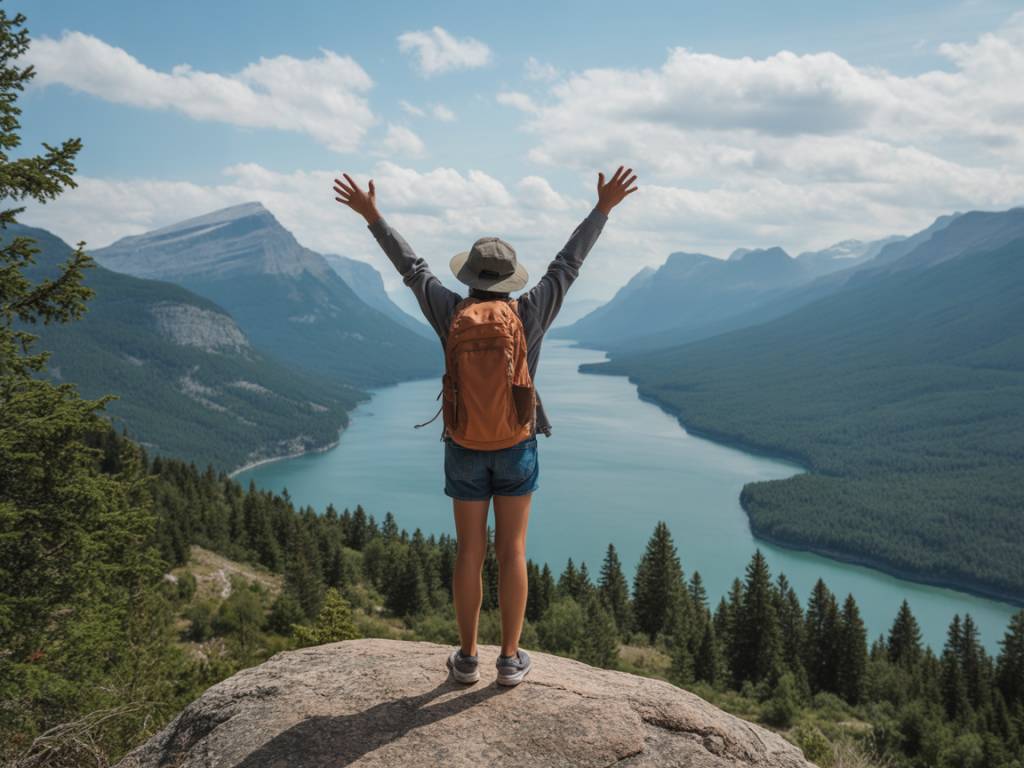
Across cities and suburbs, a quiet shift is happening in how young people spend their free time. Instead of saving for long, expensive holidays, many are turning to “microadventures” – short, low-cost, local trips designed to squeeze maximum experience into minimal time. Weekends, once easily lost to streaming marathons and social media scrolling, are starting to look different.
Microadventures are redefining what escape, exploration and rest can look like for a generation facing rising costs, tight schedules and constant digital noise. From backyard camping to dawn hikes, these compact adventures are helping youth reclaim their weekends – without draining their bank accounts.
What Exactly Is a Microadventure?
The term “microadventure” was popularised by British adventurer Alastair Humphreys, but the concept is broader than any one definition. In essence, a microadventure is a small, achievable trip close to home, usually lasting from a few hours to a single night.
Its key ingredients are:
- Limited time: Evening to morning, one weekend day, or an overnight trip.
- Low cost: Minimal gear, local transport, often free or nearly free locations.
- Local focus: Parks, rivers, hills, urban green spaces or even a balcony or backyard.
- Element of challenge or novelty: Sleeping outdoors for the first time, cycling a new route, swimming in a nearby lake at sunrise.
Crucially, microadventures are designed to fit around real life: part-time jobs, study deadlines, family obligations and tight budgets. They don’t ask you to quit your responsibilities; they ask you to step outside them, briefly but intentionally.
Why Microadventures Appeal to Today’s Youth
Young people today face a paradox. They have unprecedented access to information, inspiration and global stories, yet their own movement can be limited by cost of living, academic pressure and the lingering cultural hangover of lockdown life. Microadventures offer a realistic way out of that paradox.
Several forces are driving the trend:
- Financial pressure: Flights, hotels and multi-day trips are increasingly out of reach for many students and early-career workers. Microadventures offer the psychological benefits of “getting away” at a fraction of the traditional holiday price.
- Time scarcity: Between study, work and side hustles, full weeks off are rare. A one-night camp-out or Saturday river paddle feels achievable, not aspirational.
- Digital fatigue: Constant online engagement has created a hunger for offline experiences: touching cold water, feeling wind on a hillside, lighting an actual fire instead of a virtual one.
- Environmental awareness: Many young people are conscious of the environmental impact of air travel. Staying local aligns with their values while still delivering a sense of adventure.
- Mental health needs: Rising rates of anxiety and burnout among youth are well-documented. Nature-based microadventures, even in modest green spaces, offer a tangible reset.
The result is a form of weekend culture that values creativity over consumption, and experience over expense.
Reclaiming the Weekend: From Blur to Intention
For many, weekends can easily dissolve into a predictable pattern: sleep in, scroll, maybe go out, then repeat. Microadventures challenge that drift, encouraging young people to treat their free time as something to be shaped, not just filled.
A microadventure might look like:
- Catching the last bus to a nearby trailhead on Friday night, hiking for 45 minutes and sleeping under the stars.
- Organising a sunrise swim at a local lake with two friends, then heading straight to a Saturday shift or study session.
- Turning a city night into an “urban expedition” – walking a river path at dusk, exploring a new neighbourhood, eating street food on a bench instead of in a restaurant.
- Camping in a backyard or on a balcony, cooking on a tiny stove, leaving phones inside for the night.
The detail matters less than the intention: choosing to make the weekend feel different from the rest of the week, even if the adventure happens 20 minutes from home.
Physical Activity Without the Pressure of Performance
Youth sport is often framed around competition, performance and structured training. Microadventures introduce a different relationship to movement: one that is playful, exploratory and low-pressure.
Instead of a timed 10K, it might be a slow, messy trail run with photo breaks. Instead of a swim meet, a casual open-water dip followed by a thermos of hot chocolate. Instead of a weekend tournament, a long bike ride on a disused railway line, stopping at small villages along the way.
This shift can be especially important for young people who have drifted away from organised sport but still crave movement. Microadventures offer:
- Accessibility: No membership fees, no uniforms, no coaches – just basic gear and some planning.
- Variety: Hiking one weekend, paddle-boarding the next, then an urban photo-walk or night cycling loop.
- Social connection: Shared challenge builds bonds without the intensity of formal competition.
- Self-directed challenge: Participants choose their own difficulty level, distance and pace.
For a generation that often feels evaluated and measured, microadventures offer movement without judgment.
Mental Health, Microadventures and the Power of Mini Escapes
The mental health benefits of spending time outdoors are well established: reduced stress, improved mood, better sleep quality and increased sense of calm. However, long hikes in remote national parks are not necessary to experience these gains.
Short, local microadventures can provide:
- A break in routine: Changing the environment, even briefly, can disrupt negative thought cycles.
- Sensory reset: The feel of grass, the sound of water, the shift in temperature after sunset – all ground attention in the present moment.
- A sense of achievement: Planning and completing a small adventure – no matter how modest – builds confidence.
- Digital boundaries: Many youth use microadventures as a reason to put phones away or switch to airplane mode for a few hours.
What makes microadventures particularly powerful is their repeatability. Because they do not require major resources, they can become a regular part of life rather than a rare event.
Budget-Friendly Microadventure Ideas for Young People
Microadventures are not about having the “right” gear or travelling to photogenic locations. They are about using what is available. Below are starter ideas that keep cost and complexity low.
- Backyard or Balcony Camp-Out: Pitch a tent or create a makeshift shelter with blankets and rope. Use a basic camping mat and sleeping bag (or layered blankets) and cook dinner on a small camping stove or even a simple cold picnic.
- Sunrise or Sunset Hike: Choose a short local trail or hill. Pack a headlamp, a reusable water bottle and a warm layer. The changing light turns a familiar place into something entirely different.
- Night Cycle Through Your City: Use bike lanes or quiet roads. A basic bike, working lights and a reflective strap are enough. Stop at a viewpoint or bridge to watch the city from a new perspective.
- Riverside or Lakeside Mini Retreat: Take public transport to the nearest body of water. Bring a towel, a book, a snack and, if allowed and safe, plan a short swim.
- 24-Hour Off-Grid Challenge: Stay at home or a friend’s place but switch off Wi-Fi and data. Set up a “camp” in the living room, cook one-pot meals, read, write or play games by candlelight or headlamp.
Each of these can be adapted to individual budgets, comfort levels and physical abilities. The point is not extremeness, but presence.
Essential Low-Cost Gear to Get Started
While microadventures do not demand a full outdoor kit, a few basic items can make trips safer and more comfortable. For young people looking to invest gradually, these essentials are a practical starting point:
- Reusable Water Bottle: Hydration is non-negotiable, and a sturdy insulated bottle keeps drinks cold in summer and warm in winter.
- Compact Backpack: A simple 15–25L daypack is enough for most short trips, holding water, snacks, an extra layer and a lightweight waterproof jacket.
- Headlamp or Small Torch: Critical for evening or early-morning adventures, especially on trails or campsites.
- Basic Layering Clothes: A moisture-wicking base layer, mid-layer fleece and packable rain jacket can be found at entry-level prices and used across seasons.
- Entry-Level Sleeping Bag and Mat: For those interested in overnight adventures, budget-friendly sleeping bags and foam or inflatable mats significantly improve comfort and warmth.
- Portable Stove (Optional): A simple gas stove and lightweight pot turn a short trip into a full sensory experience, from boiling water for tea to cooking simple one-pot meals.
Many young people start by borrowing gear from friends or family, or by buying second-hand. The culture around microadventures tends to value practicality over perfection; scuffed gear and mismatched equipment are part of the story.
From Solo Missions to Shared Culture
Microadventures naturally lend themselves to community. Social media is full of small adventure accounts where young people share local spots, bus-accessible trails and low-cost gear tips. Group chats form around early-morning swims, late-night rooftop stargazing or Saturday train journeys to nearby forests.
This shared culture matters. It normalises a way of spending time that is active, creative and low-consumption. It also softens the risk of trying something new: first-time campers or swimmers often feel safer and more confident in small groups.
Some schools, youth organisations and sports clubs are beginning to integrate microadventure-style outings into their programmes. Instead of large, expensive annual trips, they schedule recurring local overnights, urban hikes or “adventure evenings” that use city parks and public transport rather than private coaches and distant resorts.
For a generation under pressure to do more, be more and share more, microadventures offer something quietly radical: permission to do something small, imperfect and local – and to let that be enough.
In a world of rising costs and shrinking free time, the microadventure model offers a template for weekends that feel expansive without being extravagant. With a modest backpack, a bit of planning and a willingness to step out the door, young people are discovering that adventure isn’t something you fly to; it is something you create, often just beyond the edge of your usual routine.