


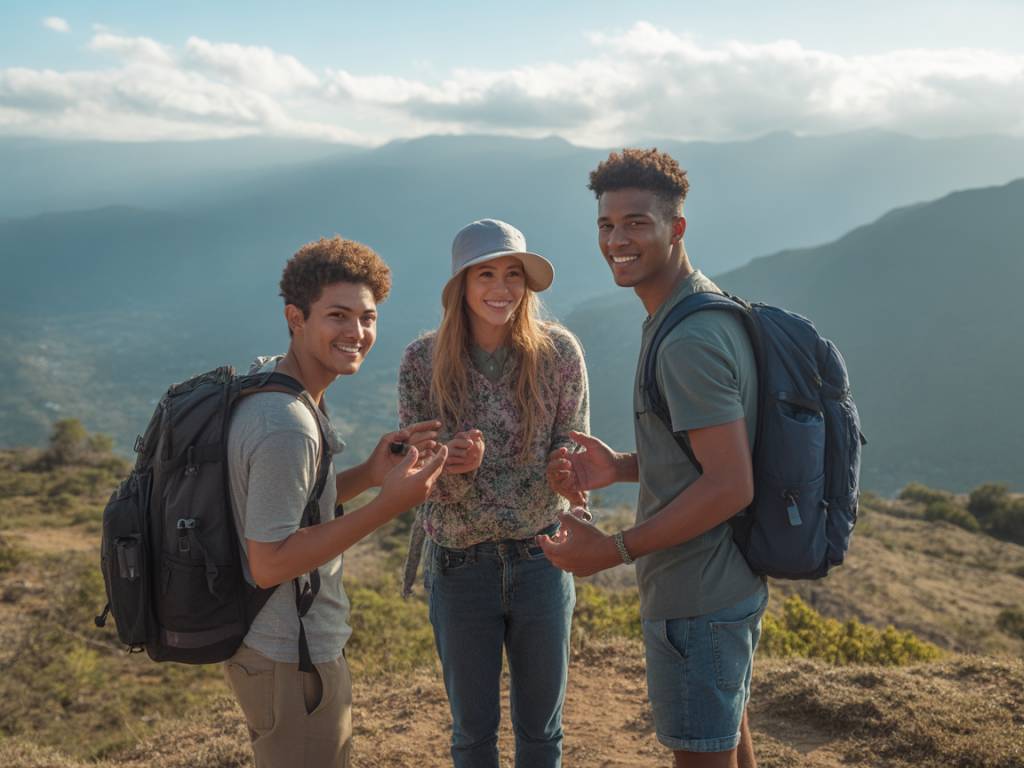
On social media feeds filled with exotic beaches and picture-perfect sunsets, another kind of travel experience is quietly gaining ground: young people volunteering abroad. Often called “volunteer travel” or “voluntourism,” this trend is reshaping how many teens and young adults understand their place in the world, their responsibilities, and their futures.
For a growing segment of youth, a trip is no longer just a break from school or a chance to collect passport stamps. It is becoming a way to learn about global inequality, test personal values, and explore potential careers — while trying, in varying degrees, to contribute to local communities.
What Is Volunteer Travel Today?
Volunteer travel covers a broad spectrum of experiences. It can be as short as a week-long school trip or as long as a full gap year. The common thread is that travel and service are linked: participants offer time and skills in exchange for immersion in a different culture.
Typical formats include:
- Teaching or language-assistant roles in schools or community centers
- Environmental conservation projects, such as tree planting, beach cleanups, or wildlife monitoring
- Sports-based programs using football, basketball, dance, or fitness to engage children and teenagers
- Community development activities like building classrooms, painting clinics, or supporting local NGOs
- Health awareness campaigns, nutrition workshops, or mental health support activities (usually under professional supervision)
While the quality and impact of these projects vary widely, the appeal for young people is clear: volunteer travel promises more than sightseeing. It offers a narrative — “I’m going to learn, to serve, and to grow” — that increasingly resonates with a generation that values purpose alongside pleasure.
Why This Trend Speaks to a New Generation
Today’s teenagers and young adults are growing up in a time of visible global crises: climate change, displacement, economic inequality, and mental health struggles are recurring themes in their lives. Against this backdrop, many feel a mix of urgency and uncertainty. They want to do something, even if they are not yet sure what “something” looks like.
Volunteer travel taps into several motivations:
- A desire for meaningful experiences: Many young travelers say they want more than passive tourism. They are drawn to stories of impact, however small, and to the sense that their time abroad can serve a larger purpose.
- Personal development: Immersive projects promise growth in confidence, independence, problem-solving, and cross-cultural communication — all skills that appeal to youth thinking ahead to university or the job market.
- Social media storytelling: Volunteer trips deliver content that feels more “authentic” and socially engaged than typical holiday photos. Sharing projects, local friendships, and learning moments has become part of the appeal.
- Pressure to build a strong résumé: For some, volunteer experiences are seen as an investment in future applications. Universities and employers often value evidence of initiative, leadership, and global awareness.
Behind the Instagram posts and program brochures, however, these motivations can lead to something more substantial: a deeper reflection on privilege, responsibility, and what it means to be a “global citizen.”
From Tourist to Participant: How Perspectives Shift
Volunteer travel frequently disrupts the traditional tourist experience. Instead of staying mostly in hotels and moving rapidly between attractions, many young volunteers live with host families, work alongside local partners, and follow the rhythms of community life.
These conditions often lead to new perspectives:
- Understanding daily realities: Waking up early to coach a local sports team, assisting in a crowded classroom, or helping in a rural health center exposes volunteers to routines and constraints that are rarely visible from a tour bus or resort.
- Learning from local leadership: Well-structured programs are led by local organizations who understand their own needs. Youth participants observe how community leaders navigate obstacles, negotiate resources, and build solutions from within.
- Recognizing the limits of “help”: Many discover quickly that they cannot “fix” structural problems in a few weeks. Instead, they encounter complexity: historical inequalities, political barriers, and cultural differences in how solutions are defined.
This shift — from savior narratives to a more realistic, listening-focused attitude — is a key ingredient in developing a socially conscious mindset. Rather than returning home believing they “changed the world,” young people often return more aware of how much they still need to learn.
The Role of Sport and Physical Activity in Social Engagement
Sports-based volunteer projects illustrate particularly clearly how travel can shape social consciousness. On the surface, running football drills with children or organizing a basketball tournament may look like simple recreation. In practice, sport is a powerful educational tool.
Through physical activity, volunteers and local youth explore themes such as:
- Teamwork and cooperation: Shared goals on the field require communication, mutual support, and respect, regardless of background or language.
- Inclusion and equality: Mixed-gender teams, adaptive sports for youth with disabilities, and rules that promote fair play highlight questions of access and equity.
- Health and well-being: Discussions around training, nutrition, and rest lead naturally into broader topics of physical and mental health.
For young volunteers, using sport as a social tool reframes physical activity as more than performance or aesthetics. It becomes a medium for community building, a way to reach young people who might not respond to traditional classroom programs, and a practical demonstration of how lifestyle choices intersect with social issues.
Skills and Habits That Travel Back Home
The most lasting impact of volunteer travel is often not the painted classroom or the cleaned-up beach; it is the set of skills and habits that young people take home and apply in their own environments.
Common outcomes include:
- Heightened critical thinking: Exposure to different narratives and realities encourages questioning of stereotypes, media representations, and one’s own assumptions.
- Increased empathy: Personal relationships with people from different backgrounds foster a more nuanced understanding of global issues such as migration, poverty, or conflict.
- Lifestyle shifts: Some return with a greater focus on sustainable consumption, fair trade, or reduced waste, having seen the direct effects of environmental degradation and resource inequality.
- Civic engagement at home: Volunteering abroad often leads to continued involvement at a local level — mentoring younger students, supporting refugees, joining community sports programs, or advocating for policy change.
- Career orientation: Experiences in education, health, sport-for-development, or environmental projects can influence study choices and professional ambitions, steering some toward social work, public health, coaching, or NGO roles.
In this sense, volunteer travel functions as an extended workshop in social consciousness. Young participants test their values in real-world settings and often return with a clearer sense of what kind of impact they want to have over the long term.
Ethical Questions and Critical Reflections
The rise of volunteer travel has also triggered serious criticism. Many researchers, activists, and local organizations warn that not all programs are beneficial — and some may even cause harm.
Key concerns include:
- Short-termism: Brief placements can create disruption without providing sustained support. Children may become attached to volunteers who leave after a few weeks, and projects may stop as soon as the group departs.
- Unskilled labor in sensitive areas: Allowing unqualified volunteers to work in education, construction, or health roles can undermine safety and professional standards.
- Reinforcement of stereotypes: Poorly designed experiences may perpetuate images of “the Global North helping the Global South,” instead of fostering equal partnerships.
- Profit over impact: Some agencies charge high program fees while providing limited benefit to local communities or little transparency about where money goes.
For youth to truly become more socially conscious through travel, these critiques must be part of the learning process. Responsible organizations now emphasize preparation, cultural humility, and long-term partnerships, encouraging participants to question their own roles and recognize that listening and learning are as important as “doing.”
Choosing Responsible Volunteer Travel Opportunities
For young people and families exploring volunteer travel, careful selection is essential. Asking the right questions early on can make the difference between a shallow experience and one that genuinely supports growth — both personal and communal.
Before committing, it is useful to examine:
- Who leads the project? Preference should go to programs developed and directed by local organizations or in close collaboration with them.
- What are the goals? Clear, realistic objectives — defined by community needs, not just volunteer interests — suggest a more thoughtful design.
- How are volunteers prepared? Quality programs offer pre-departure training on culture, ethics, safety, and the broader social issues connected to the project.
- What is the organization’s track record? Transparent impact reports, long-term partnerships, and consistent community feedback are strong indicators.
- How are funds used? Detailed breakdowns of program fees help ensure that a fair share reaches local partners and not just administrative overhead.
Increasingly, youth and their parents are also seeking out independent reviews, reading critical articles, and comparing multiple options before booking. This more informed consumer behavior is itself a sign of growing social awareness.
How This Movement Is Reshaping Youth Identity
Volunteer travel sits at the intersection of youth culture, global awareness, and lifestyle choices. It blends adventure with introspection: physical challenge with emotional learning, social media storytelling with uncomfortable questions about privilege and responsibility.
For many young travelers, these experiences become reference points. They influence how they talk about the world, how they evaluate brands and institutions, and how they make everyday decisions — from what they buy and wear to how they use their skills and talents.
As more programs embed ethical reflection, community-led design, and long-term engagement into their models, volunteer travel has the potential to do more than fill a gap year. It can help shape a generation that sees travel not just as consumption, but as connection; not just as escape, but as engagement. And in the process, it is quietly redefining what it means for youth to live a socially conscious life in a deeply interconnected world.