
Travel is more than a break from school, work, and the same familiar streets. For young people, it can be a crash course in independence, a chance to question assumptions, and a way to discover what matters to them. A weekend in another city can spark curiosity; a longer stay abroad can change how someone sees the world. The point is not to collect passport stamps. It is to come home with a broader perspective—and perhaps a few stories about getting on the wrong bus.
Travel begins with curiosity
Young people are often told to decide what they want to do with their lives before they have had much chance to experience the world. Travel offers a practical way to explore beyond the usual routine. New places introduce different foods, languages, landscapes, customs, and ways of solving everyday problems. Each encounter raises questions that may not come up at home: Why do people organize their communities this way? What does a good day look like here? Which parts of my own routine are choices, and which are simply habits?
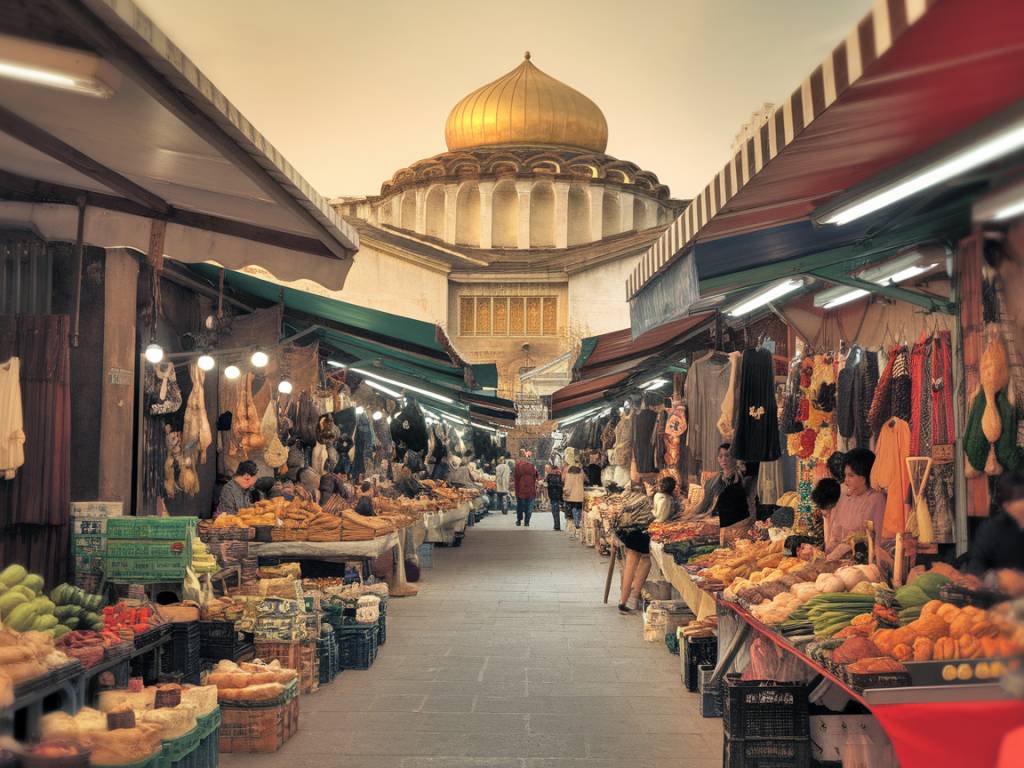
Curiosity does not require a flight across an ocean. It can begin with a day trip to a nearby town, a visit to a cultural festival, or a hike through a landscape that feels unfamiliar. What matters is paying attention. Instead of rushing from one attraction to the next, notice the details: how people greet one another, what appears in a local market, or how a neighborhood changes from morning to evening.
That attention can turn a trip into something more than a photo album. A young traveler who takes time to speak with a local shop owner or learn a few words of the local language may remember the conversation longer than the landmark. The most useful souvenir is often a new question.
Independence is built one decision at a time
Travel puts young people in situations where they have to make choices. Which train should they take? How much money should they set aside for food? What should they do if a reservation falls through or the weather changes? These decisions may sound small, but making them in an unfamiliar place builds confidence through practice.
Consider a student traveling with a group to a city for the first time. They might need to navigate public transport, keep track of a budget, and show up on time for a meeting point. If they miss a stop, they have to stay calm, check the route, and work out what to do next. No one enjoys a travel mix-up in the moment, but solving one can reveal a useful truth: a mistake is not automatically a disaster.
Young travelers should still prepare carefully. Independence does not mean ignoring common sense. Before leaving, it helps to research transport, share an itinerary with someone trusted, understand local rules, and keep emergency contacts accessible. Good planning does not remove every surprise. It gives travelers a stronger base from which to handle one.
Meeting differences can challenge assumptions
It is easy to form opinions about places and people without ever meeting them. News stories, social media, and secondhand accounts can give us information, but they cannot show the full variety of ordinary life. Traveling gives young people the chance to see that a country is not a single story and that a community is made up of individuals with different experiences.
A visitor might arrive expecting a place to match a familiar image and discover something more complicated. A busy city can also have quiet neighborhoods. A small town can be full of new ideas. A tradition may feel unfamiliar at first and make more sense after someone explains what it means to them. These moments invite travelers to pause before making quick judgments.
That does not mean visitors should treat every custom as a lesson for their own benefit. Respect matters. Learn about local etiquette, ask before taking photos of people, and remember that residents are not a backdrop for a vacation. Listening is a form of travel, too. The aim is not to decide whether another way of life is better or worse, but to understand more than you did before.
Travel can build empathy
Empathy grows when people listen to experiences beyond their own. A conversation with a host family, a local guide, or another traveler may reveal how education, work, family, and community look from a different point of view. Those conversations can make distant issues feel less abstract and help young people recognize both shared hopes and real differences.
For example, a volunteer or school exchange program might bring students together around a shared project. They could be planting a community garden, practicing a sport, or working on a local history presentation. The activity creates a natural reason to cooperate. Young participants learn not just about the people they meet, but how they themselves behave when communication takes effort.
Empathy is not the same as assuming you understand someone after one conversation. It means staying open, asking thoughtful questions, and accepting that another person’s experience belongs to them. Travel can start that process. It cannot replace long-term learning, but it can make young people more willing to keep learning when they return home.
Language skills grow beyond the classroom
Language lessons feel different when a real conversation depends on them. Ordering lunch, asking for directions, or greeting a neighbor gives new vocabulary a purpose. Young travelers may stumble over pronunciation or forget a word at exactly the wrong moment. That is normal. A genuine attempt, paired with patience and a smile, often opens the door to communication even when a sentence is not perfect.
Travel can also teach communication without words. Facial expressions, gestures, and tone help people work through confusion. At the same time, gestures do not mean the same thing everywhere, so it is wise to follow local cues rather than assume that every familiar signal will be understood.
Before a trip, learning a few useful phrases can make a practical difference. Try greetings, “please,” “thank you,” and “Could you help me?” Then keep going when you arrive. A translation app can be handy, but it works best as a backup, not as a substitute for making an effort.
Travel teaches flexibility
Trips rarely follow the plan perfectly. A train may be delayed. A museum may be closed. The sunny afternoon promised by the forecast may turn into a downpour. Young people who travel learn to adjust, rather than treating every change as a ruined day.
Flexibility is a useful skill long after the journey ends. At school, work, and in relationships, plans change and people have to respond. A traveler who has found a different route across an unfamiliar city has already practiced staying composed and considering alternatives. The lesson is simple: control what you can, and adapt to the rest.
There is a balance, of course. Being flexible does not mean accepting unsafe situations or abandoning important boundaries. It means separating a genuine problem from an imperfect plan. Missing one attraction may be disappointing; it is not the same as missing the entire experience. Sometimes an unexpected afternoon in a small café becomes the story everyone tells later.
Adventure does not have to be expensive
Travel is often presented as a luxury, but exploring the world does not have to mean booking a faraway resort. A realistic trip starts with a budget, not a fantasy itinerary. Young people can compare transport options, travel during quieter periods, share accommodation with trusted companions, or look for student discounts. Local parks, public museums, walking tours, and community events can add depth without adding a large bill.
There are also opportunities through school exchanges, youth programs, sports clubs, and community organizations. Some programs offer scholarships or financial support. Families and young travelers should check what is included, what costs extra, and whether the organization has clear safety policies. A low price is not a good deal if important details are missing.
Closer trips count, too. Taking a regional train to a neighboring town can introduce new food, history, and people without requiring a major budget or weeks away. The scale of the journey matters less than the willingness to explore thoughtfully. A passport is useful, but curiosity does not require one.
Sports and outdoor travel create shared experiences
Sport can make it easier for young travelers to connect. Joining a local game, attending a match, or visiting a sports club can reveal how a community spends time together. Even when people do not share a fluent language, a football pass, a volleyball rally, or a friendly race can create an instant point of connection.
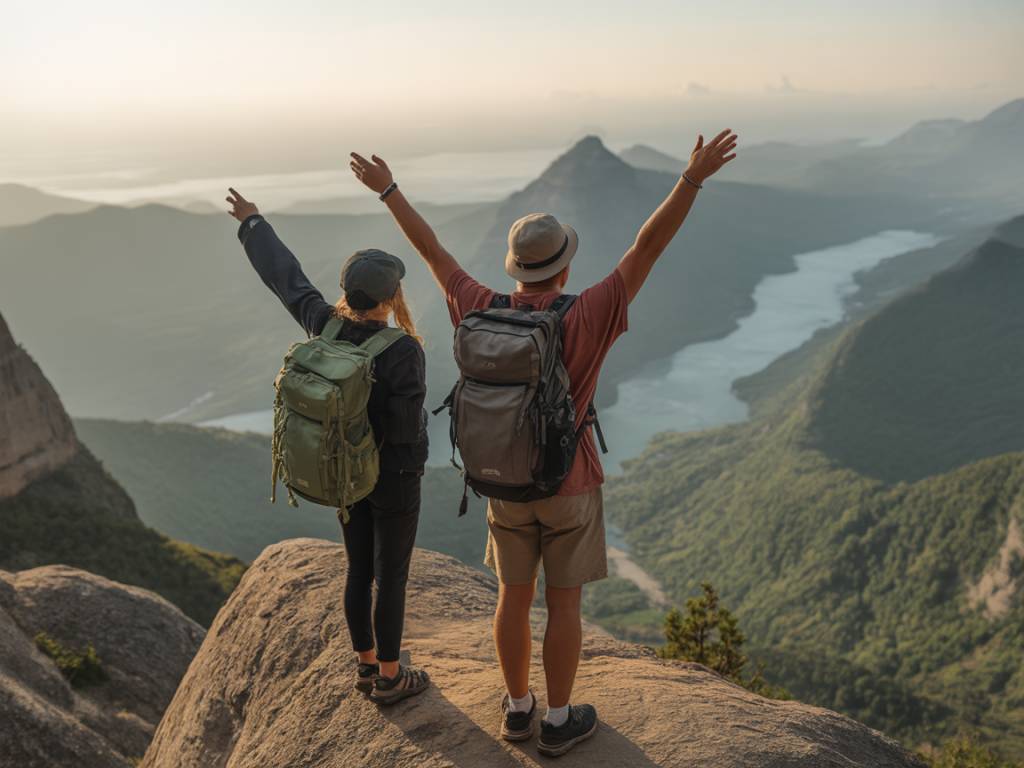
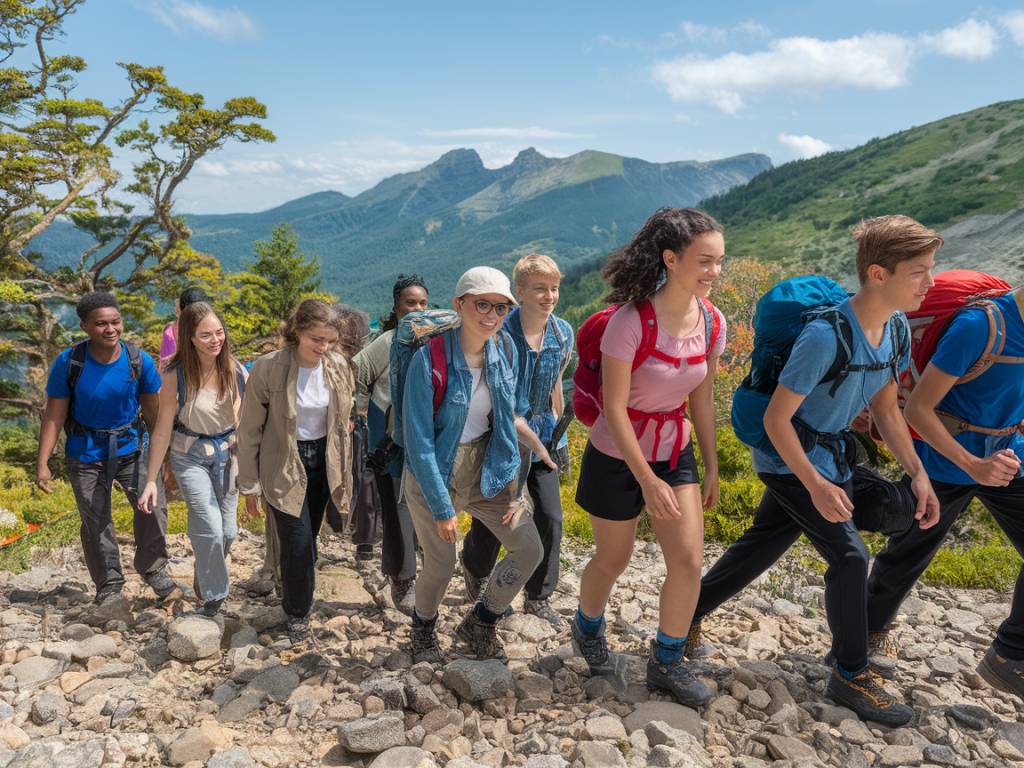
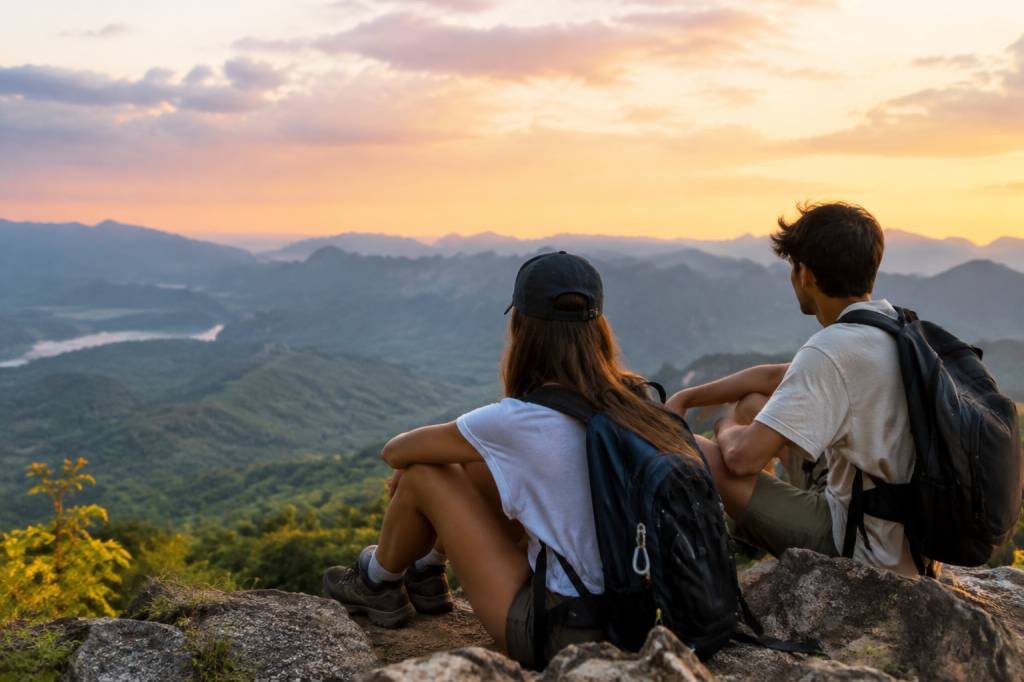
Outdoor travel offers its own lessons. Hiking, cycling, kayaking, and camping ask young people to prepare, work as a team, and respect the environment. A group on a trail has to consider everyone’s pace, carry what it needs, and leave the place as it found it. The view from the top is rewarding, but so is learning how to reach it safely and responsibly.
Young travelers should choose activities suited to their ability and follow local guidance. Check the weather, use the right equipment, and do not let a social media challenge make decisions for you. The best adventure is one where everyone gets back safely—and still wants to go again.
Travel can help young people understand themselves
New places make familiar preferences easier to see. A young person might discover that they enjoy planning every detail, or that they feel better leaving room for surprises. They may find confidence in speaking to strangers, learn that they need quiet time after a busy day, or realize that they are more comfortable outdoors than they expected.
Travel can also reveal priorities. Some people care most about art and architecture; others want to try local food, watch a game, or spend time in nature. Noticing what brings you energy can help shape future choices, from a career path to the kind of community you want to build. There is no need to return with a perfectly clear plan for the rest of your life. A useful trip can leave you with better questions, not instant answers.
Keeping a short travel journal helps. Write down a conversation, something that surprised you, or one moment when you had to solve a problem. Photos capture what a place looked like; a few honest notes can capture how being there changed your thinking.
Responsible travel leaves room for everyone
Travel affects the places people visit. Crowded attractions, waste, and careless behavior can put pressure on local communities and natural spaces. Young travelers can make better choices by using public transport where practical, carrying a reusable water bottle, supporting locally owned businesses, and following rules at historic and natural sites.
Responsible travel also means being thoughtful about how experiences are shared online. Ask permission before posting identifiable photos of others, avoid turning private moments into content, and give credit when sharing someone else’s work. A place is not only valuable because it looks good in a picture. The people who live there deserve respect whether a camera is present or not.
Before leaving, think about what you hope to learn, not just what you hope to see. Then arrive ready to pay attention, accept a little uncertainty, and treat people and places with care. Travel will not automatically make someone wiser, braver, or more open-minded. But approached with curiosity and respect, it can give young people the experiences that help those qualities grow.