

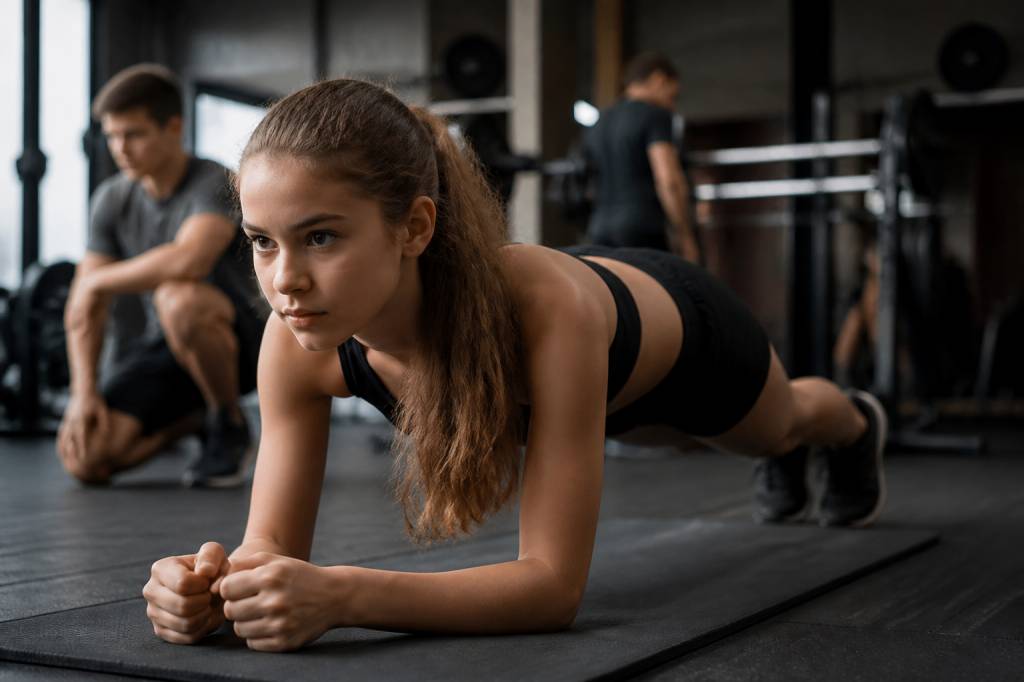
Why fitness magazines still matter for young athletes
Scroll for five minutes and you’ll see it: training clips, “what I eat in a day,” recovery hacks, and enough fitness advice to make anyone’s head spin. For young athletes, that can be both useful and overwhelming. This is where fitness magazines still have a real job to do. They cut through the noise, offer structure, and often explain the “why” behind the advice instead of just shouting “do this now.”
For teens and young adults who train, compete, or simply want to stay active, a good fitness magazine can be more than light reading. It can be a practical guide, a motivation boost, and a reality check all at once. Think of it as a coach, a nutritionist, and a sports-savvy friend rolled into one. Minus the whistle.
The best magazines for youth athletes don’t just celebrate elite performance. They cover the messy middle: energy dips, school schedules, sore legs, confidence, recovery, and the challenge of staying consistent when life gets busy. That’s the sweet spot.
What makes a magazine worth your time
Not every fitness publication is built for young readers. Some are packed with jargon. Some obsess over adult body goals that don’t belong in a youth athlete’s world. And some just recycle the same advice until even the dumbbells look bored.
So what should young athletes look for?
- Clear, practical advice that feels usable right away
- Training content tailored to age, sport, and experience level
- Nutrition guidance that focuses on fuel, not fad diets
- Recovery and injury-prevention tips that respect growing bodies
- Stories from athletes who feel relatable, not untouchable
- A tone that motivates without guilt-tripping
A strong magazine should help a reader train smarter, not just harder. That difference matters. Especially when young athletes are balancing homework, travel, tournaments, social life, and sometimes a very loud hunger after practice.
Training advice that actually fits real life
One of the biggest strengths of fitness magazines is their ability to break training into pieces young athletes can understand. Instead of throwing a wall of science at readers, good articles translate concepts into simple, useful actions.
For example, a magazine might explain how to build speed with short sprint intervals, improve endurance with zone-based cardio, or increase strength using bodyweight movements at home. That’s useful for a high school soccer player, a swimmer, a basketball guard, or a runner who trains before school.
Here’s the thing: youth athletes usually don’t need extreme routines. They need routines that are consistent, safe, and realistic. A good magazine reminds them that progress comes from smart repetition, not from chasing whatever workout is trending this week.
It also helps readers understand that training should be specific. A volleyball player and a distance runner do not need the same program. A fitness magazine that recognizes those differences earns trust fast.
Nutrition coverage that skips the nonsense
Fitness and food is where a lot of young readers get mixed messages. One article says “cut carbs,” another says “carbs are life,” and social media adds a third opinion for free. Helpful, right?
The best youth-focused fitness magazines keep nutrition simple and functional. They explain how food supports energy, focus, recovery, and performance. Not “how to get shredded by Friday.”
This matters because young athletes are still growing. That means fuel isn’t optional. It’s part of training. A breakfast before early practice, a snack after school, a balanced dinner after games on the road—these are performance tools, not side notes.
Good magazines often cover topics like:
- Pre-workout meals that won’t sit like a brick in your stomach
- Hydration basics for training and hot-weather competition
- Easy post-practice recovery snacks
- How protein, carbs, and fats each support performance
- How to eat well while traveling for games or meets
And yes, they should also explain that perfection is not the goal. A young athlete who learns how to build balanced habits is far better off than one trying to follow some impossible “clean eating” script from a stranger on the internet.
Recovery is not laziness, no matter what the gym culture says
Young athletes are often praised for pushing through pain, staying late, and never missing a session. That sounds heroic until it turns into burnout, fatigue, or injury. A solid fitness magazine should make recovery feel normal, important, and non-negotiable.
Recovery content is especially useful because it gives readers something many sports spaces forget: rest is part of training. Sleep, mobility work, hydration, and active recovery are not bonuses. They are the maintenance that keeps the engine running.
Look for articles that explain:
- Why sleep affects performance, mood, and reaction time
- How to use stretching and mobility without overdoing it
- When soreness is normal and when it’s a warning sign
- How to manage training load during packed school weeks
- Simple ways to recover after long travel or tournament days
There’s also a mental side to recovery. A tired athlete is not just physically drained; they can be less focused, more irritable, and less confident. Great magazines acknowledge that. They don’t treat athletes like machines. Because newsflash: humans need rest.
Injury prevention should be part of the conversation
For youth athletes, injury prevention is one of the most valuable topics a magazine can cover. Not because it sounds flashy. Because it saves time, frustration, and lost season opportunities.
Younger bodies are adaptable, but they’re also developing. Growth spurts, repetitive motion, poor technique, and overtraining can all create problems. That’s why smart articles on warm-ups, movement quality, core stability, and mobility are worth reading.
A good magazine might walk readers through topics like:
- Dynamic warm-up routines before practice or competition
- Exercises that strengthen ankles, knees, hips, and shoulders
- How to spot early signs of overuse injuries
- Why cross-training can protect athletes from burnout
- How to return to sport safely after time off
The best part? These articles are usually easy to apply. You don’t need a professional setup to benefit from them. A yoga mat, a resistance band, and ten focused minutes can do a lot more than most people think.
Mental performance is fitness too
You can be fit and still mentally fried. That’s not a plot twist; it’s a reality. Young athletes deal with pressure from coaches, parents, teammates, school, and sometimes their own expectations. Fitness magazines that address mental performance offer something important: balance.
Articles on focus, confidence, nerves, and motivation help athletes build skills that don’t show up in a weight room but absolutely show up on game day. A good publication understands that performance is not only physical. It’s emotional and mental too.
Useful mental performance topics include:
- How to build pre-game routines that calm nerves
- Ways to bounce back after a bad race, match, or game
- How to stay motivated during off-season training
- Why goal-setting works better than vague “I should train more” promises
- How to handle comparison without losing your head
For youth readers, this is huge. A magazine that normalizes setbacks and pressure feels far more useful than one pretending every athlete is always locked in, always smiling, and always thriving. That’s not performance. That’s marketing.
Why relatable athletes make the page stronger
Young readers connect with stories that feel close to home. Sure, professional athletes are inspiring. But a 16-year-old track runner, a college freshman juggling classes and training, or a teen swimmer who just figured out how to eat between morning and evening sessions can be even more relatable.
Fitness magazines that feature real youth experiences tend to hit harder. Why? Because readers can see themselves in the story. They understand the struggle of school + sport + life. They know what it feels like to train while tired, travel on a weekend, or try to improve without turning every day into a full-time job.
That kind of storytelling matters. It builds identity. It says: your effort counts, even if you’re not on a podium yet. And that is a powerful message for young athletes who are still figuring out who they are and what kind of athlete they want to become.
The role of digital and print in a social-media world
Let’s be honest: young athletes already get a lot of content online. So why bother with magazines? Because a magazine, whether digital or print, usually offers more structure than a random feed.
Social media is fast, visual, and addictive. But it can also be shallow, repetitive, and wildly inaccurate. A good fitness magazine gives readers a curated experience. It separates trend from truth. It lets them read a full explanation instead of a 12-second clip with dramatic background music and questionable advice.
Digital magazines are especially useful for youth athletes because they’re easy to access on phones and tablets. Print still has a place too. Some readers focus better when they’re not being distracted by notifications every nine seconds. Imagine that.
Whether digital or print, the format matters less than the quality. If the content is sharp, honest, and useful, young readers will come back.
How to choose the right fitness magazine
If you’re a young athlete, a coach, a parent, or someone helping a teen build healthy habits, choosing the right magazine comes down to a few simple questions.
- Does the content speak to active young people, not just adults chasing aesthetics?
- Are the workouts and tips realistic for a school schedule?
- Does the magazine explain things clearly without sounding preachy?
- Does it promote strength, confidence, and performance over appearance?
- Does it cover a range of sports and activity levels?
If the answer is yes, you’re probably looking at something worth reading. A quality fitness magazine should feel like a resource, not a lecture.
It should make athletes think, “Okay, I can use that,” rather than “Great, now I need a new life plan and three more hours in the day.”
What young athletes can actually take away from a good magazine
The real value of fitness magazines is not just information. It’s action. Young athletes should be able to read something and immediately use it in practice, in the kitchen, in recovery, or in their mindset.
That might look like trying a new warm-up, packing a better snack, sleeping earlier before competition, or understanding why their legs feel flat after three straight hard sessions. Small changes add up fast.
And that’s the point. Youth athletes do not need perfect plans. They need better habits, clearer thinking, and advice they can trust. A strong fitness magazine delivers exactly that.
In a world full of quick fixes and loud opinions, the magazines that stand out are the ones that respect the reader. They speak plainly. They stay useful. They know that active young people are not just athletes in the making—they’re people with busy lives, real limits, and serious potential.